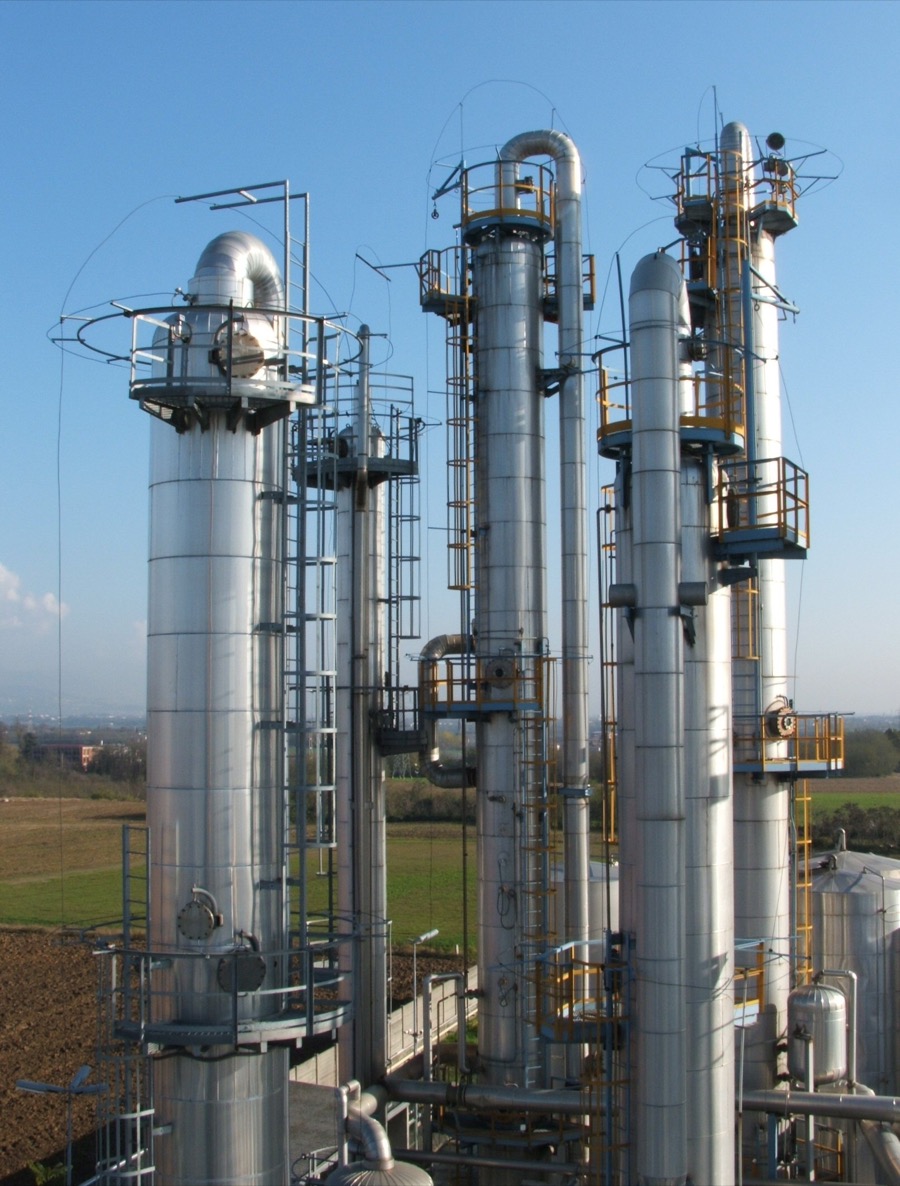
An independent water test commissioned by a Nueces County drainage district found hexavalent chromium, arsenic, and multiple other heavy metals in discharge from Tesla’s lithium refinery near Robstown, Texas. The results, from a 24-hour sample analyzed by Eurofins Environment Testing in April 2026, identified substances not covered by Tesla’s state permit and not tested for in a prior state investigation.
Tesla’s Robstown facility, which cost approximately $1 billion and began operations in December 2024, holds a Texas Commission on Environmental Quality (TCEQ) permit issued January 15, 2025, authorizing up to 231,000 gallons of treated wastewater discharge per day. The drainage district that manages nearby ditches was not notified when TCEQ issued the permit.
In January 2026, drainage district workers discovered an unrecognized pipe discharging “very dark and murky” liquid into a ditch they manage. The pipe traced back to the Tesla site. TCEQ investigated in February and found no permit violations, but tested only for the standard pollutants listed in Tesla’s permit. Heavy metals, hexavalent chromium, and lithium were not among the tested parameters.
The drainage district then hired Eurofins to run its own analysis. The April results found:
- Hexavalent chromium at 0.0104 mg/L. Hexavalent chromium is classified as a Group 1 human carcinogen by the International Agency for Research on Cancer.
- Arsenic at 0.0025 mg/L.
- Elevated concentrations of strontium, lithium, and vanadium.
- Ammonia and additional heavy metals.
None of these substances appear in Tesla’s TCEQ discharge permit. Corpus Christi, the nearest major city at roughly 16 miles, is facing potential water rationing due to drought. Tesla had marketed the refinery as producing “acid-free clean” lithium processing, positioning its novel extraction method as an improvement over conventional acid-wash approaches.
Why this matters for the domestic lithium supply frame
The Robstown facility is the most prominent US-domiciled lithium hydroxide refinery to date. It sits directly in the critical path for the IRA’s foreign entity of concern (FEOC) rules: battery-grade lithium processed outside China is required for full IRA credit eligibility from 2025 onward, and domestic refining capacity is the supply-side gap the US has the fewest credible options to fill quickly.
Operational and permitting credibility at Robstown matters in both directions. A facility that delivers clean, reliable throughput at commercial scale is a genuine step toward a domestic lithium hydroxide supply chain. A facility that generates contested discharge, state regulatory gaps, and potential legal exposure from downstream drainage districts is a risk to that timeline and to Tesla’s own FEOC-compliant battery supply math.
The TCEQ’s failure to test for heavy metals or lithium in its permit or investigation is a separate structural issue. It suggests the state’s permitting framework for novel lithium processing chemistry has not caught up to what the process actually outputs.
What to watch
- TCEQ response. Whether the agency opens a revised investigation that includes the Eurofins-identified parameters, and whether Tesla’s permit is modified to require disclosure and testing for those substances.
- Legal exposure. The drainage district was not notified of the permit. Downstream standing and liability questions are unresolved.
- Corpus Christi water situation. Drought-driven water rationing in the nearest city adds political weight to any further findings. The 16-mile distance is close enough that local officials will track TCEQ’s next moves.
- Tesla’s FEOC supply chain position. If Robstown throughput is constrained by regulatory action, the IRA credit math for Tesla’s domestic battery supply shifts materially.