
NextEra Energy and Dominion Energy announced on May 18 an agreement for NextEra to acquire Dominion in an all-stock transaction valued at approximately $67 billion, a 23% premium on Dominion’s prior market capitalization. Boards of both companies approved the deal. Management guided a closing window of 12 to 18 months, subject to clearance from FERC, the NRC, the Virginia State Corporation Commission, the North Carolina Utilities Commission, and the South Carolina Public Service Commission.
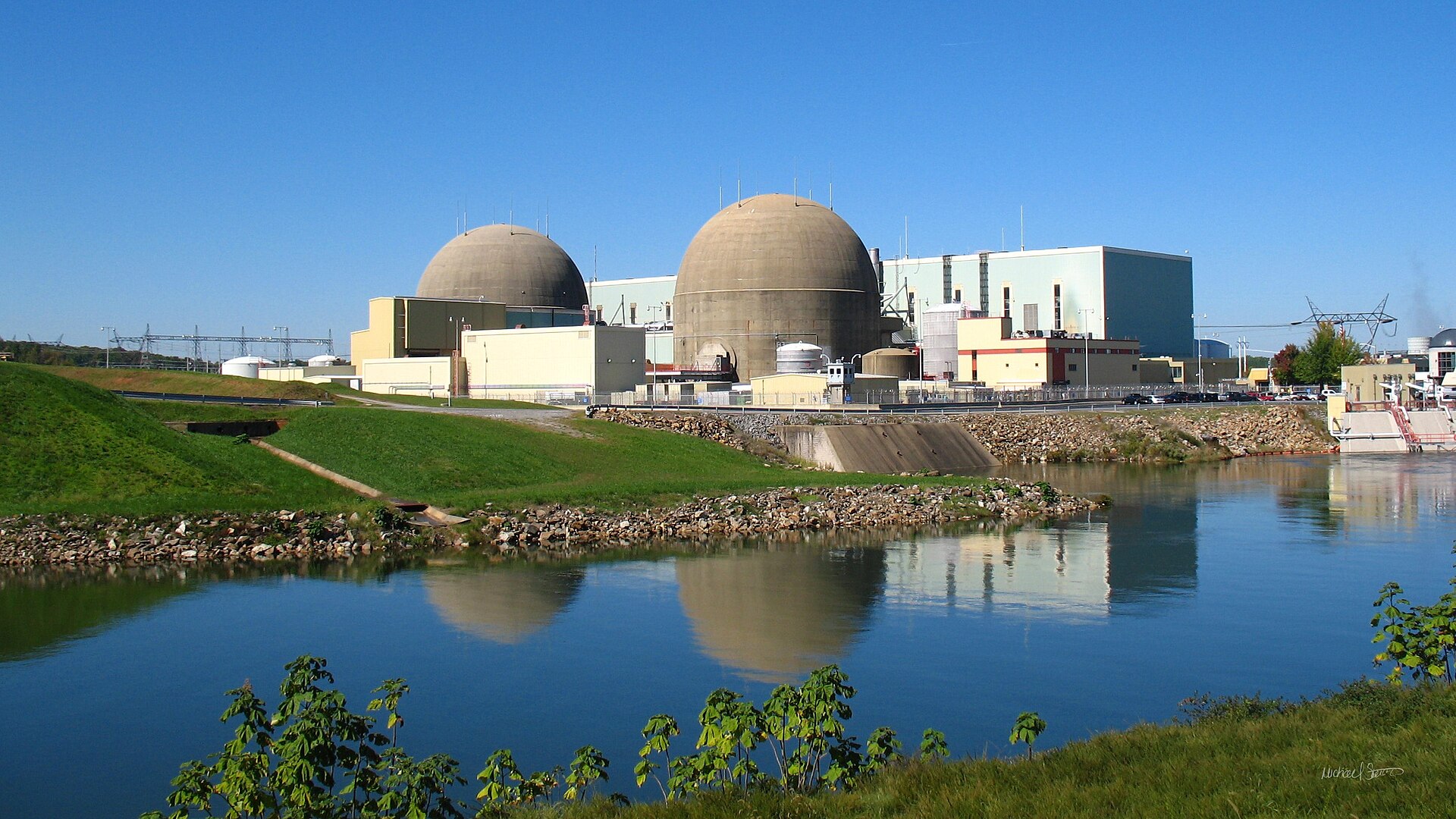
The combined entity becomes the largest US regulated electric utility by customer count, with roughly 10 million retail customers, and the second-largest US nuclear operator behind Constellation. Dominion currently generates more than 40% of its electricity from nuclear, with operating stakes in Millstone (Connecticut), North Anna and Surry (Virginia), and VC Summer (South Carolina). NextEra adds Seabrook, Point Beach, and Duane Arnold (the latter being restarted under a Google power purchase agreement).
The strategic logic is data center load. Dominion is the incumbent utility for Northern Virginia, the densest concentration of hyperscaler campuses in the world, and operates inside PJM Interconnection. NextEra brings the largest US renewables and storage development pipeline. The companies cite a combined 130 GW large-load project pipeline, which if delivered would expand the entity’s generation footprint by a multiple of its current installed base.
CEO John Ketchum framed the rationale in a statement to investors: “The demand for electricity is increasing unlike anything we’ve seen in generations.” The implicit bet is that data center, electrification, and reshored-manufacturing load over the next decade will materially exceed the buildout pace of any single existing utility.
Why this matters for the supply-chain frame:
-
Nuclear capacity is now concentrated. A single merger would put roughly a quarter of US operating nuclear capacity under two corporate balance sheets (Constellation + NewCo). That changes the negotiating dynamic for hyperscaler PPAs, restart financing, and SMR siting decisions inside existing nuclear-host states.
-
PJM is the choke point. The combined company holds the generation interconnect queue for the most constrained RTO. Order 1920 long-term planning compliance filings, expected throughout 2026, will land in front of a regulator now negotiating with one consolidated counterparty rather than two.
-
Grid capex needs financing scale. Ketchum’s argument for the deal is that delivering the 130 GW backlog requires a balance sheet larger than either company alone could support. If the regulatory clock holds at 12 to 18 months, the combined entity comes online roughly in step with the 2027 to 2029 wave of hyperscaler power contracts.
Risks: state utility commission approvals are the gating item. Virginia regulators have already been pressed on rate impacts from data center growth; consolidation reviews typically take longer than the 12 to 18 month management guidance. The transaction is also large enough to draw Hart-Scott-Rodino scrutiny on horizontal market overlap in PJM and MISO.
The deal will be tracked on this site under the merger tag. Next watch items: HSR filing window, the first FERC 203 application, and Virginia SCC docket initiation.