
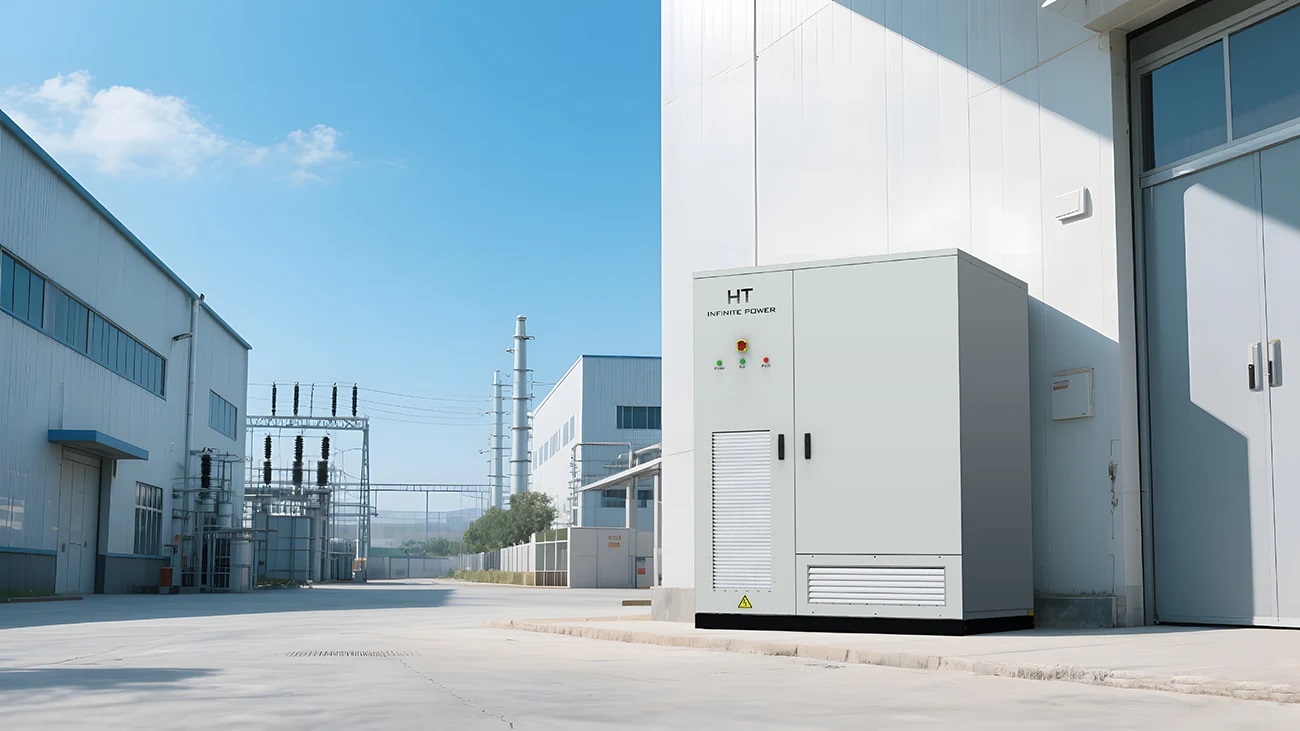
Spearmint Energy announced on May 22 that it had closed $450 million in financing for Red Egret, a 300 MW / 600 MWh standalone battery storage project in Texas City, Texas. Commercial operations are targeted for August 31, 2026, putting the finance-to-COD window at roughly three months.
The capital stack is the part worth holding onto.
Debt: $225 million construction facility, with First Citizens Bank and Investec as coordinating lead arrangers and joint bookrunners, Nord/LB as joint lead arranger, and East West Bank as mandated lead arranger.
Tax equity: $126 million in investment tax credit transfer commitments. ITC transferability, created by the Inflation Reduction Act and preserved through 2033 by H.R. 1, lets project sponsors monetize storage ITCs by selling them to corporate buyers without going through traditional tax-equity partnership structures. Red Egret is now one in a long string of ERCOT standalone-storage projects using that mechanism as the second leg of the stack.
Preferred equity: $96 million from Nuveen Energy Infrastructure Credit, the TIAA-backed infrastructure-credit platform that has been an active anchor in US BESS financings over the past 12 months.
Equipment: 149 Sungrow PowerTitan 2.0 enclosures, each rated at 2.5 MW / 5 MWh. Spearmint has standardized on the PowerTitan platform across its ERCOT pipeline.
Interconnection: an agreement with Texas-New Mexico Power (TNMP).
Three reads on what this signals.
First, ITC transfer is now the default tax-equity path for ERCOT BESS at this scale. Two years ago, comparable projects would have used traditional tax-equity partnerships with a much narrower set of bank investors. The transfer market has widened the pool of buyers (corporates with tax appetite, including non-energy industrials) and shortened closing timelines. The Red Egret stack, with transfer commitments sized roughly equal to half the debt, is now a recognizable template.
Second, the three-month window from financial close to targeted COD reflects how compressed ERCOT BESS construction has become once interconnection and permitting are cleared. The constraint on US storage growth is no longer construction speed for projects that have made it through their utility study; the constraint is everything upstream of financial close.
Third, the equipment choice. Sungrow is a Chinese supplier, and 2026 ITC-eligible projects face Foreign Entity of Concern (FEOC) content thresholds under H.R. 1, set at 55 percent for projects that commence construction this year. Sungrow’s PowerTitan 2.0 has been deployed at scale across US sites under FEOC-compliant configurations; the article does not disclose the specifics of Red Egret’s compliance pathway, and that is the line worth watching across subsequent ERCOT financings as the thresholds tighten in 2027 and beyond.
The thesis read: IRA transferability is doing what it was designed to do, and the bottleneck for US storage has moved decisively upstream of the finance close. Watch Q2 closings for whether the ITC-transfer share of the stack continues to widen.