
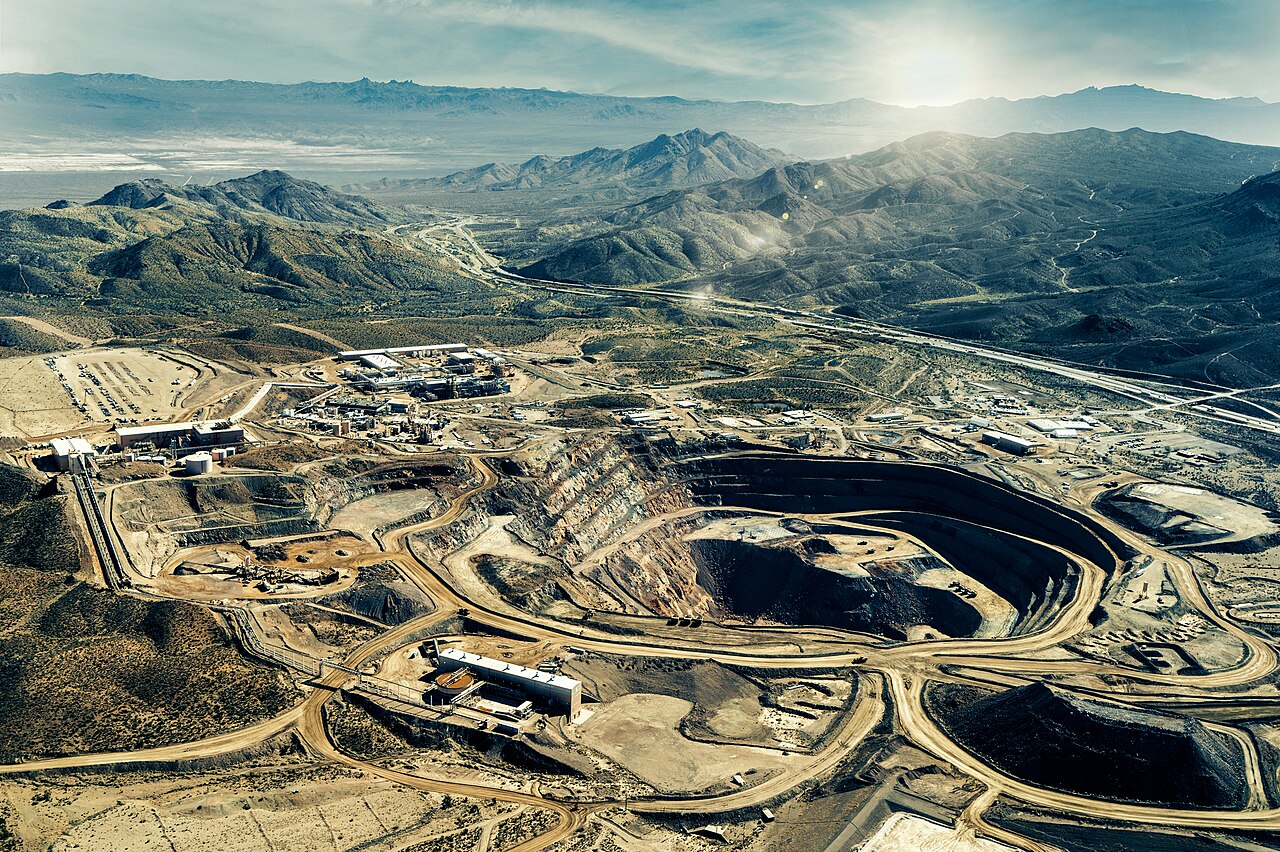
The Federal Permitting Improvement Steering Council confirmed on March 30, 2026, that Albemarle’s Kings Mountain Lithium project in Cleveland County, North Carolina, has completed its federal permitting process under a Department of Energy-led NEPA review. Less than a month later, on April 28, the US Geological Survey published an assessment putting undiscovered, economically recoverable lithium in the Appalachian region at 2.3 million metric tonnes of lithium oxide, with 1.43 million tonnes concentrated in the Carolinas and the remaining 900,000 tonnes in Maine and New Hampshire.
Two data points, one inflection.
Kings Mountain itself is the more immediate story. Albemarle has projected the site will produce roughly 420,000 tonnes per year of spodumene concentrate once operational, drawing on a deposit that was actively mined into the early 1990s before being mothballed during the prior lithium price collapse. Federal NEPA approval was the last permit at the federal level. State and local approvals from North Carolina agencies and Cleveland County are still required before construction, and Albemarle has indicated it intends to initially permit mining activities for a ten-year window.
The USGS number is the second-order signal. The 2.3 million tonne figure refers to undiscovered, economically recoverable lithium oxide, not measured reserves, and the agency methodology assigns probabilities rather than booked tonnage. That is a meaningful distinction for sizing a project pipeline. What it does do is reframe the southern Appalachians from a historical curiosity, the Tin-Spodumene Belt was the main US lithium source from the 1950s through the 1980s, into a region with a credible multi-decade resource base.
What this means for the US supply chain.
First, the permitting path through DOE under the FAST-41 framework appears to be working as designed for projects that fit the program’s profile. Kings Mountain reached the end of federal review without spending the seven-to-fifteen-year window that has been canonical for greenfield US lithium. That timeline compression is the variable the marginal-capex thesis depends on.
Second, the Carolinas now have two reinforcing dynamics: a permitted producer in Albemarle, with downstream processing already on the same campus, and a resource estimate that supports additional exploration interest. Both Piedmont Lithium’s Carolina project and smaller exploration plays in the same belt benefit from the regional framing even though their permitting timelines are independent.
Third, the constraint is shifting. The bottleneck for US lithium has been permitting and refining concentration in China, with the IRA and Defense Production Act dollars chasing both. Federal clearance at Kings Mountain removes one node from the permitting list. The refining side, where Albemarle’s existing US conversion capacity is a structural asset, remains the deeper choke-point industry-wide.
Risks to watch. The assessment is undiscovered resource, not booked reserves, and any individual exploration program can fail. State and local approvals at Kings Mountain are not yet secured and have been a friction point at other US lithium sites. And the marginal cost of Carolina spodumene relative to brine production in Argentina or hard-rock in Australia is still the unsettled variable for whether these tonnes get developed under current price conditions.
The thesis read: another piece of the US-supply rebuild has slipped into place. Watch the next round of Albemarle and Piedmont disclosures for capex commitments tied to the Carolina footprint, and watch state-level permitting decisions over the next two quarters.