
The neodymium-praseodymium oxide price benchmark used as the input cost for nearly every permanent magnet shipped out of China has roughly tripled in five months. China Rare Earth Industry Association data put mixed Pr-Nd metal at $136.7 to $139.6 per kilogram (RMB 938 to 958) on April 30, with neodymium oxide alone at $122.3 to $125.2 per kilogram. The January 2026 open was near $53 per kilogram. The year-to-date gain is approximately 160 percent.
The driver is supply discipline, not demand. Ministry of Industry and Information Technology production quotas remain the binding constraint on Chinese feedstock, and the export licensing regime that Beijing extended in early 2025 to cover rare earth processing technology and equipment has held. Western buyers continue to pay a meaningful premium on top of the Chinese benchmark: FOB China export quotes for neodymium oxide cluster around $180 per kilogram, with CIF Rotterdam landed cost reported in the $240 to $255 range.
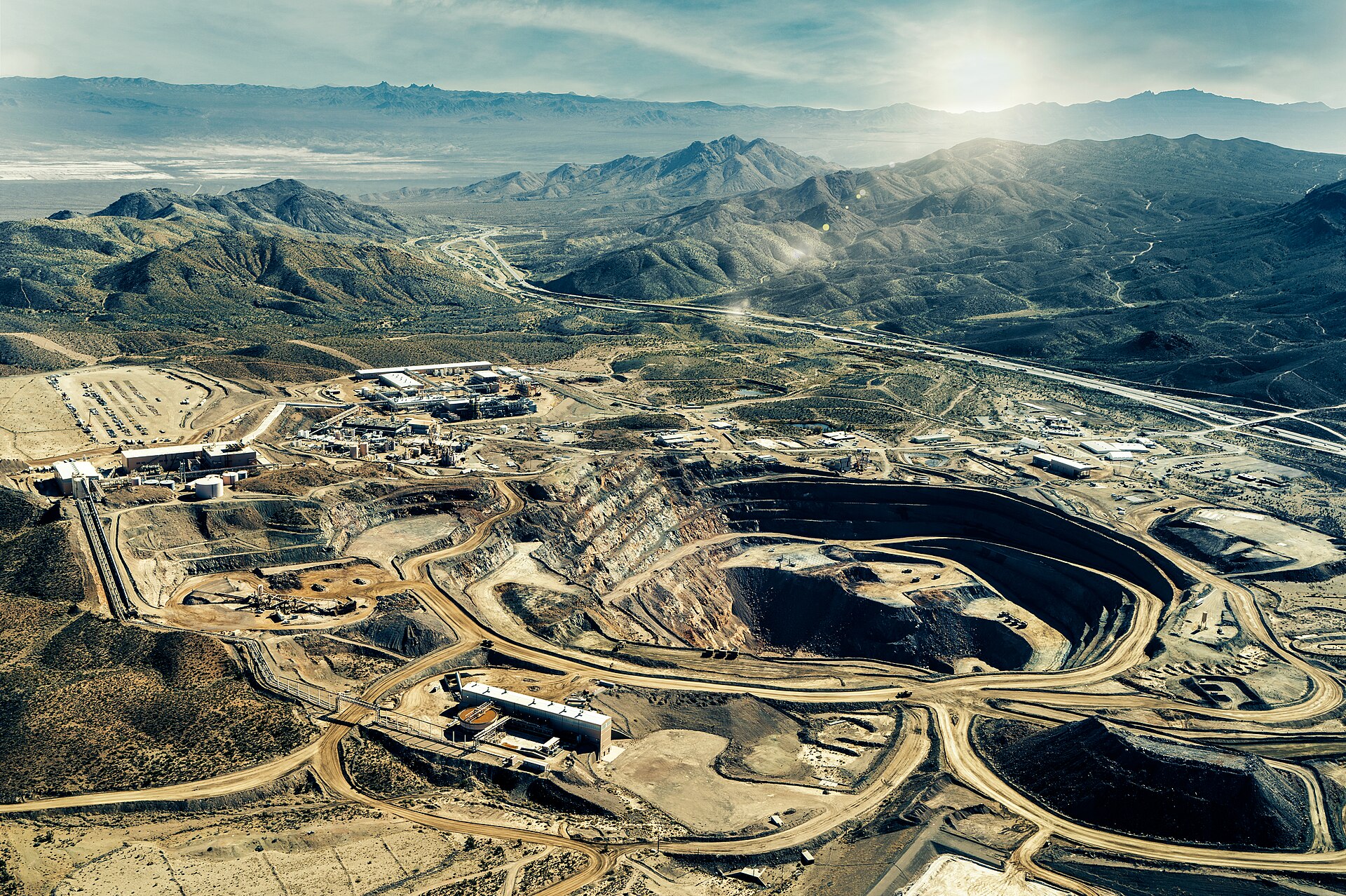
For US-domiciled rare earth positioning, the inflection point worth naming is the $110 per kilogram price floor that anchors the Defense Department’s July 2025 Title III partnership with MP Materials. At sub-$110 prices, the federal floor activates and the government effectively backstops realized pricing at MP’s Mountain Pass operation. At April-end spot, the floor is out of the money. The structural subsidy is not currently being paid. The market is delivering above-floor pricing on its own.
That is the version of the rare earth thesis that does not depend on the federal balance sheet. The DoD instruments (equity, loans, offtake, price floor) were designed for a world where Chinese dumping or quota relaxation could push spot below US cost of production. So far in 2026 the opposite has happened: quotas have tightened, the floor is inactive, and the Independence magnet facility that MP plans to bring online in the second half of 2026 will sell into a market with a structurally higher Western clearing price than the one that prevailed when the partnership was negotiated.
Two caveats are worth flagging. First, a single MIIT quota revision could unwind a meaningful share of the 2026 move in a quarter or two; the price floor exists precisely because Beijing has the policy tools to manufacture a downside. Second, the Western premium reflects logistics and compliance costs that are sticky in both directions, so any narrative that frames CIF Rotterdam as a clean signal for US realized pricing overstates the read-through.
The data point to watch next: the second-half MIIT quota allocation and whether Lynas, MP Materials, or any of the smaller US separators disclose realized pricing in their next quarterly cycle that lands above the floor on a contracted basis rather than spot.
Source: Critical Minerals News rare earth pricing tracker, MP Materials DoD partnership announcement (July 2025).