
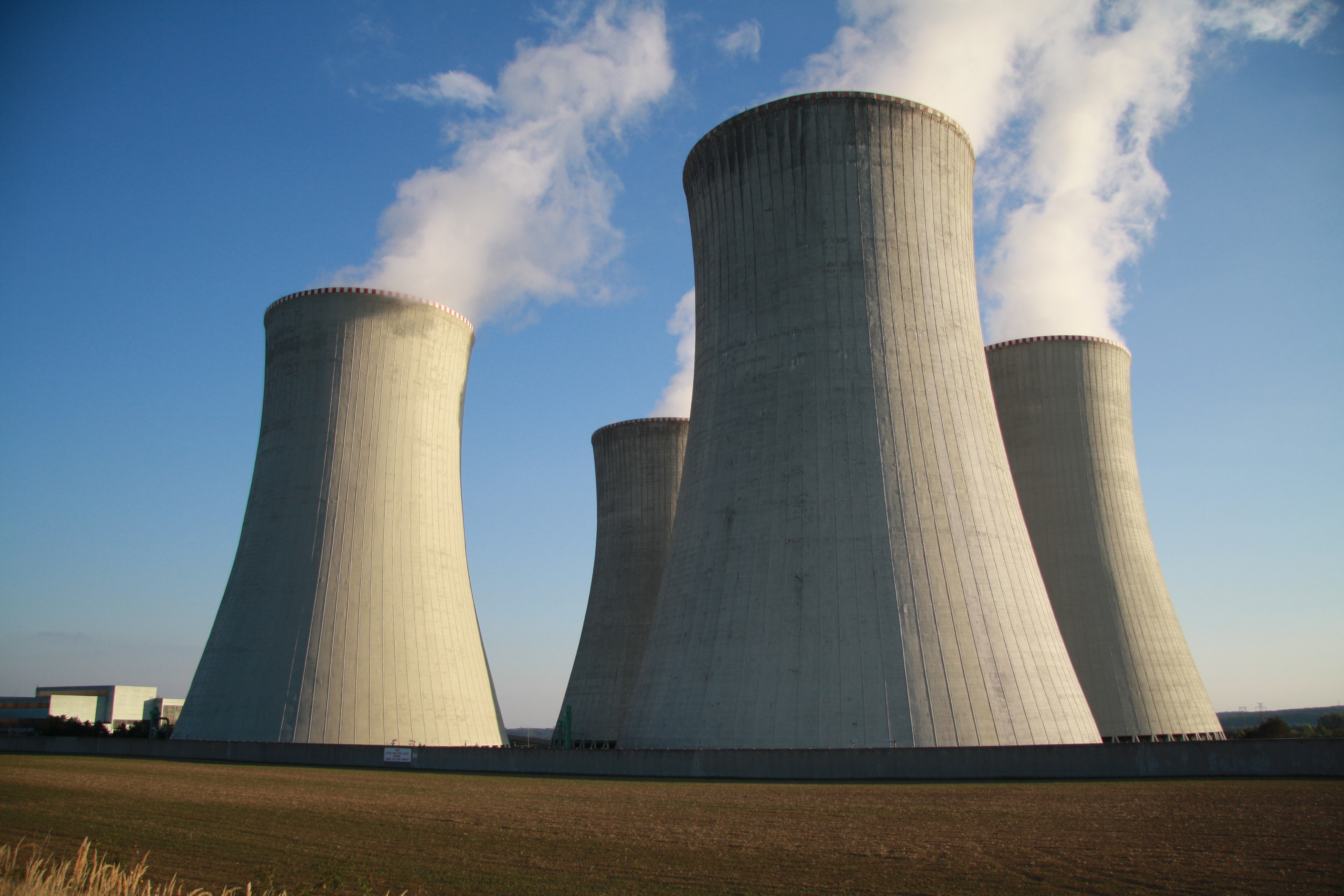
The Nuclear Regulatory Commission’s proposed Part 57, “Licensing Requirements for Microreactors and Other Reactors With Comparable Risk Profiles,” was published in the Federal Register on May 1 and is open for public comment through June 15. The rule applies to reactors at or below 100 MWe and introduces a separate licensing track designed around the simpler safety case of small, factory-built units rather than retrofitting existing large-reactor procedures.
Three structural changes are doing the work.
First, fleet approval. Identical reactor designs can be licensed once and then deployed across multiple sites without rebuilding the technical case each time. That is the same logic the FAA uses for type certificates and is closer to how Oklo, X-energy, NuScale, and Kairos have always described their business models. Until now the regulatory framework did not support that pattern; Part 57 makes it explicit.
Second, manufacturing licenses. A vendor can license the production line, ship completed units, and avoid having each site rerun the full construction permit cycle. Combined with general-license provisions for limited construction activities ahead of full NRC sign-off, this collapses what has historically been the long pole in domestic nuclear schedules.
Third, autonomous operation. The proposed framework explicitly contemplates remote monitoring, remote operation, and reduced on-site staffing. That is a material cost-structure change for any operator targeting distributed deployment behind data centers, industrial loads, or military sites.
NRC’s own projection puts licensing-to-deployment at 6 to 12 months and pegs combined agency and industry savings at $3.76 billion to $11.84 billion over the implementation horizon. The current advanced-reactor timeline, by comparison, is measured in five-plus-year windows from docket to operation. If even half of the projected compression holds in practice, the supply curve for behind-the-meter nuclear capacity through the back half of this decade looks different than it does on most analyst spreadsheets today.
For the thesis: permitting has been the single most-cited constraint on US nuclear additions, and the hyperscaler procurement wave has been priced on the assumption that constraint persists. Part 57 does not remove the bottleneck, the comment period and final rulemaking still need to run, but it is the most concrete federal action targeting the licensing piece since the executive orders a year ago. Watch which microreactor developers file under Part 57 first, and watch how their construction financing terms move once a credible 12-month path exists.
The risk to flag: rules in proposed form are not rules in force. Final adoption depends on what the commission does after June 15, and on whether the industry actually exercises the new pathways at scale rather than continuing under Part 50 and Part 52 out of habit.