
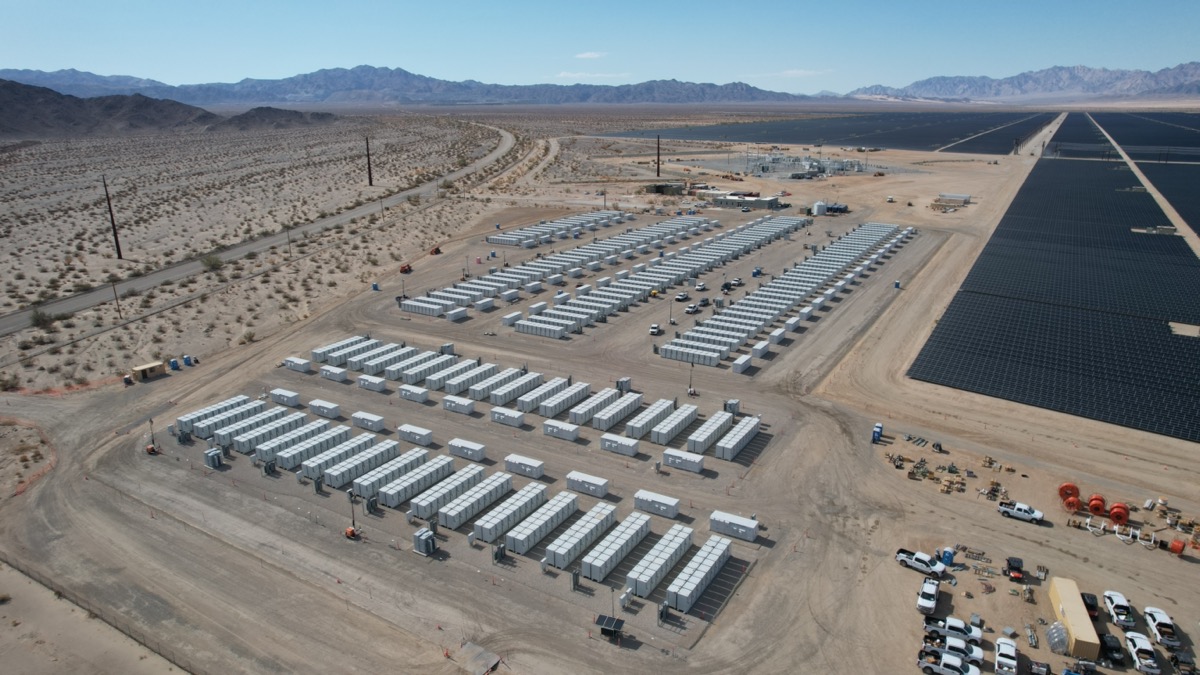
South Australia’s Firm Energy Reliability Mechanism (FERM) Tender 1 closed on May 29 with six lithium-ion battery projects winning 15-year Firm Energy Reliability Mechanism Agreements (FERMAs). The headline numbers: 1,334 MW of nameplate power, 5,336 MWh of energy, and 517 MW / 4,136 MWh of committed capacity (the portion contractually obligated to dispatch for eight continuous hours during system stress).
The six awarded projects:
- Neoen Australia, Goyder Stage 1 and Stage 2, 150 MW / 1,200 MWh combined, COD November 2028
- Ampyr Energy, Northern Battery, 125 MW / 1,000 MWh, COD November 2028
- Iberdrola, Tungkillo BESS, 100 MW / 800 MWh, COD November 2028
- Akaysha Energy, Brinkworth BESS, 92 MW / 736 MWh, COD November 2029
- ZEBRE, Dartmoor BESS, 50 MW / 400 MWh, COD November 2029
All projects use lithium-ion chemistry. All carry an eight-hour duration spec on the committed slice, which is the operative detail. Conventional grid batteries clear at two to four hours. The FERM contract structure pays specifically for the harder build.
The state context matters: South Australia already runs above 70 percent renewables and is targeting net 100 percent by 2027. Thermal retirements have opened a firm-capacity gap that real-time energy prices alone are not closing. The FERM is the policy answer, and the tender provides the first cleared price signal for how that gap gets filled with storage rather than peakers or synchronous condensers.
Two reasons this matters past the local headline.
First, the contract design. A 15-year revenue-certain agreement attached to an eight-hour dispatch requirement is the kind of instrument US developers have been asking for. PJM’s capacity construct, ERCOT’s energy-only market, and CAISO’s resource adequacy framework all currently underprice the long-duration build. The FERM is a working reference point.
Second, the chemistry signal. Six awards, all lithium-ion, at eight-hour duration. Sodium-ion, flow, and thermal alternatives did not win this round. The cost curve on lithium LFP at long duration is now competitive enough to clear a competitive tender against firm-capacity alternatives, including against itself in shorter-duration configurations. That is a marginal data point for the bull case on lithium demand from non-EV vectors.
Watch the second FERM round, expected later this year, for whether non-lithium chemistries make a credible showing.