
Two federal clocks run out in the same five-week window, and together they set the rules for every US solar project the market is currently counting.
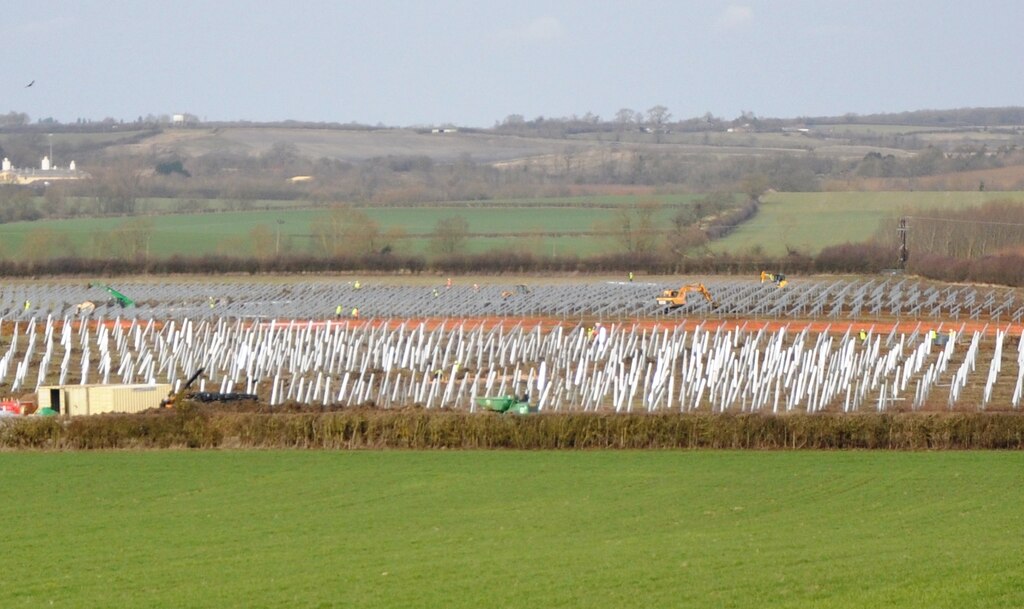
Clock 1: July 4, 2026 (32 days). Under the One Big Beautiful Bill Act, utility-scale solar projects must begin construction by July 4 or be placed in service by December 31, 2027, to claim the Section 48E investment tax credit. IRS Notice 2025-42, issued September 2, 2025, eliminated the 5 percent cost safe harbor for facilities above 1.5 MW. The only path to a beginning-of-construction determination is now the physical-work-of-significant-nature test, plus a continuous-program requirement. Procurement deposits no longer count. Steel, racking, foundations, and on-site activity do.
Clock 2: End of June 2026 (28 days). FERC’s April 16 Order Regarding Intent to Act committed the Commission to rule on Docket RM26-4-000 by month-end. The proceeding addresses interconnection of large loads (above 20 MW), with rulemaking scope covering jurisdictional authority, cost allocation, and treatment of co-located generation and load. The data-center driver is explicit. The order will reshape how new gigawatt-scale demand gets onto the system, and by extension how solar-plus-storage projects compete for the same transmission capacity.
The forward signal: EIA’s February 20 forecast of 43.4 GW of new utility-scale solar in 2026 (60 percent above 2025) reflects construction starts already underway. That number is largely locked. The number that is not locked is 2027 and 2028, which depends on what gets safe-harbored in the next 32 days and what FERC does to the interconnection queue in the next 28.
Three points worth tracking:
- Texas concentration. EIA puts 40 percent of 2026 solar additions in Texas, where ERCOT interconnection is fastest and not subject to FERC jurisdiction. The June FERC order matters less here, the safe-harbor clock matters more.
- Co-location pathway. The PJM December 2025 order on co-located load is the live precedent. FERC’s June ruling will signal whether that template generalizes nationally, which would change the economics of pairing new solar with new data-center load.
- The 1.5 MW carve-out. Small commercial and community-scale solar retains the 5 percent safe harbor. The distributed-generation cohort is structurally insulated from the July 4 cliff in a way utility-scale is not.
The marginal capex decisions being signed this month determine the 2027 build. Watch the 8-K filings.