
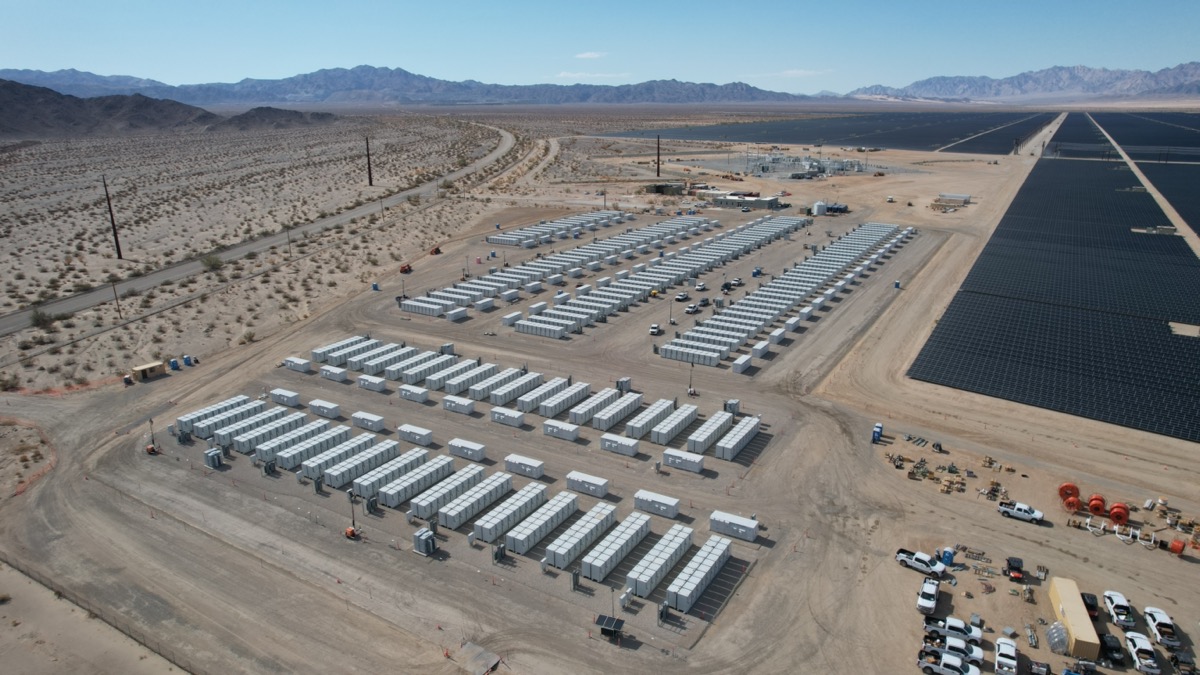
Painesville Municipal Electric begins construction this month on a 10 MW battery and 35 MW solar facility built on the brownfield site of its former coal-fired generator. The project is part of a $129 million Climate Pollution Reduction Grants (CPRG) package awarded to a Cuyahoga-County-led regional consortium: $80 million to Painesville, $30 million to Cuyahoga County, and $20 million to the City of Cleveland. The Cleveland and County dollars fund an additional 28 MW of solar across five brownfield and landfill sites.
CPRG is the $5 billion EPA implementation program authorized under Section 60114 of the Inflation Reduction Act. Selections closed in mid-2024, and the $4.3 billion in implementation awards were obligated before the current administration took office. That matters here: obligated CPRG dollars are still moving into steel and concrete, even as the administration has paused or rescinded other clean-energy funding streams. Painesville is a working example of the timing arbitrage between obligation and rescission.
The supply-chain read is straightforward. Storage replacing small municipal coal units is one of the lowest-friction deployment paths in the country: the interconnection slot already exists (the coal unit was using it), the parcel is already industrial brownfield (siting and permitting friction is low), and a municipal utility can own the asset directly without rate-base proceedings. The 10 MW battery sits on the modest end of the size curve, but small muni coal units number in the hundreds nationally, and the playbook generalizes.
The 35 MW solar to 10 MW storage pairing (about 29 percent storage-to-PV ratio on a power basis) is a notable choice. It is light by the standards of 2026 utility-scale solar-plus-storage builds, which trend toward 50 to 100 percent ratios where the grid is constrained. Read it as a sign that Painesville’s interconnection has headroom and the local capacity need is modest.
What to watch from here: how many of the other CPRG-funded brownfield builds break ground in the next two quarters, and whether any face funding clawback challenges. Obligated does not always mean spent.