
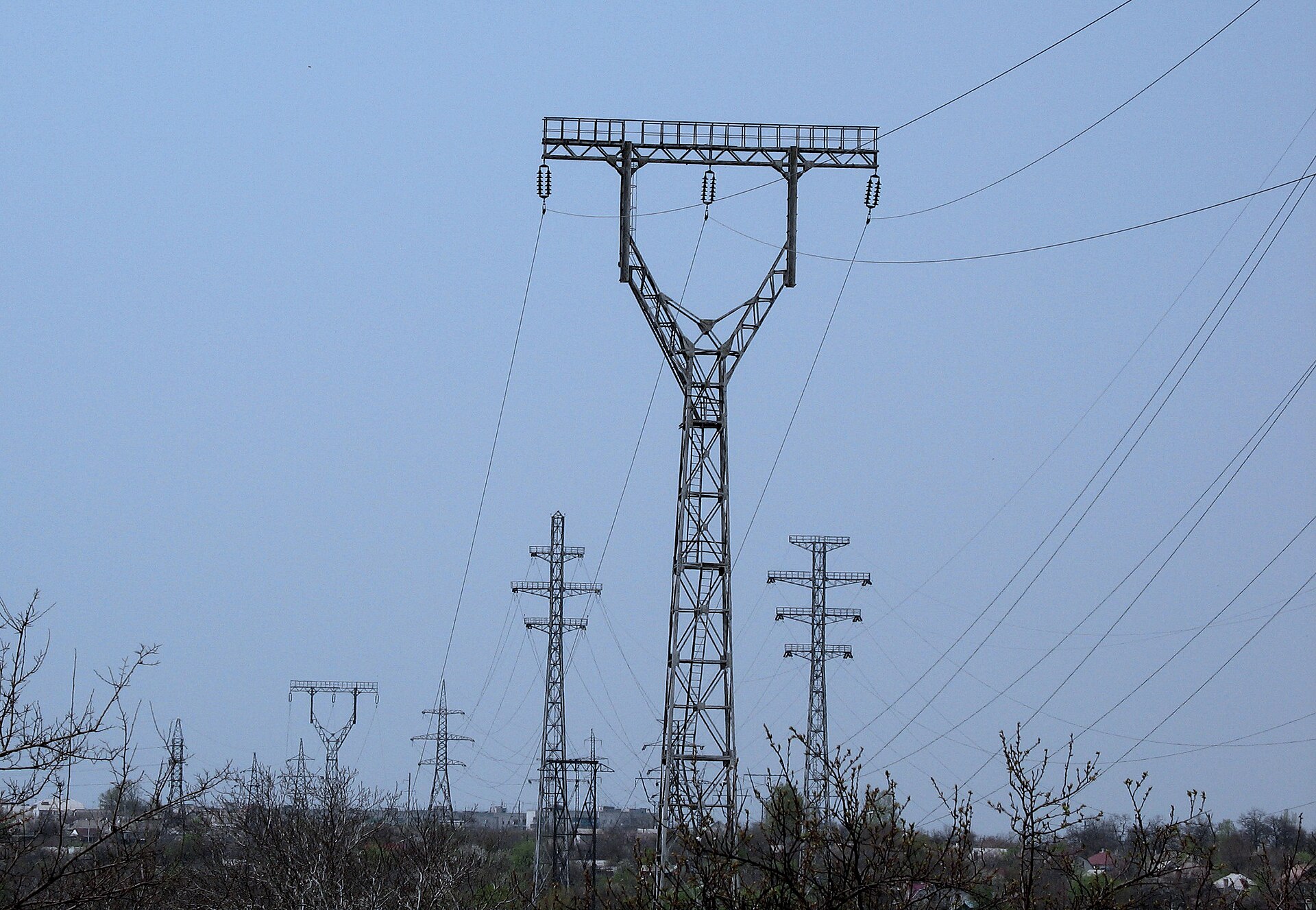
MISO will file its first regional compliance plan under FERC Order 1920 on June 12, the result of a one-year extension the operator received in 2025. The interregional companion filing is due December 12. MISO is the first of the major US RTOs reaching this milestone on the staggered FERC schedule, which means its content choices will set the template that PJM, SPP, ERCOT, and CAISO are watched against later in the year.
Order 1920, finalized in 2024 and clarified by 1920-A and 1920-B, requires transmission providers to run long-term regional planning on a 20-year horizon, evaluate a defined set of benefits, accept a state-agreed cost allocation method if one exists, and treat scenarios that include policy-driven and demand-driven futures. The compliance filing is where each RTO turns those requirements into a specific tariff.
The load case MISO is bringing into the filing is the live story. In its April 2026 long-range forecast workshop, MISO projected peak demand of 163 GW by 2035, up 35% from a 121 GW peak in 2025, with a high-trajectory scenario reaching 230 GW by 2046. The operator expects 8 to 14 GW of data center load to come online in 2026 and 2027 alone. Under the mid-case, data centers reach roughly 20% of MISO electricity by 2030 and 25% by 2040. The central region, Illinois, Indiana, and Michigan, carries the largest share of growth at 2.7% annually.
For US-supply-chain readers, three things matter. First, the load scenarios MISO embeds in the Order 1920 filing become the planning anchor for a decade of transmission build, which in turn sets what generation can interconnect where. Second, the filing tests whether the new federal planning framework actually accelerates buildout or just adds a procedural layer; the proof will be in MTEP cycle outputs over the next two years. Third, MISO itself flagged that the data-center demand depends on AI industry profitability and on better project-pipeline transparency, both of which sit outside MISO’s control.
What to watch on filing day: the cost allocation method MISO files, whether southern states secured a State Agreement Process carve-out, the scenario set used for project selection, and how right-sizing criteria are written. Each of those is a downstream signal for where capital flows in the MISO footprint over the next planning cycle.