
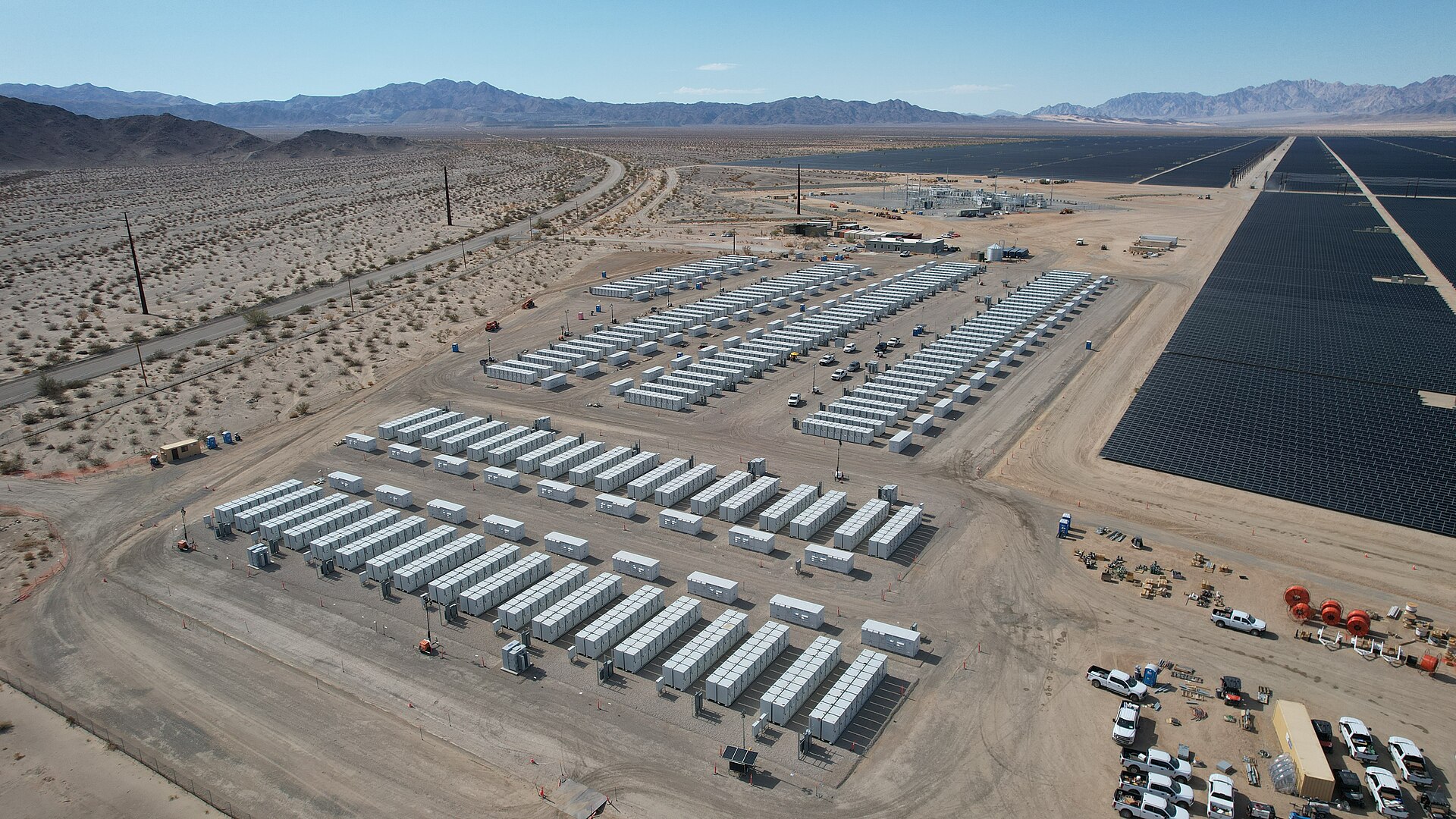
The legal-summary work circulating around the One Big Beautiful Bill Act is converging on a single point that storage operators should sit with: the credit regime carved storage out of the solar and wind phase-out, and left it with qualification optionality that solar developers above 1.5 MW have lost. Stoel Rives, summarizing the statutory text, says the Act “makes clear that the phase-out does not apply to the ITC with respect to energy storage technology, including energy storage technology that is placed in service at a wind or solar facility.”
Two operational implications follow.
First, the safe-harbor path. Solar and wind projects above 1.5 MW now have to clear the physical-work test to lock in their credit, and they have to do so before the July 5, 2026 begun-construction deadline to avoid the 2027 placed-in-service backstop. The 5 percent cost safe-harbor route, which historically let developers bank credit eligibility by booking equipment purchases, has been closed off for utility-scale solar and wind. Battery storage retains both paths at any project size. A storage developer can still use procurement spend to lock in credit eligibility, which is the more flexible of the two and matters most for projects whose physical work is constrained by interconnection timing or permitting.
Second, the placed-in-service clock. There is no comparable storage-specific drop-dead date in the statute equivalent to the December 31, 2027 solar and wind backstop. Normal begun-construction continuity rules apply. That difference is the structural piece. It means a storage project sited in 2026 has a markedly different credit-risk profile than a solar project sited in 2026, and the difference will show up in capital costs.
The Act does extend Prohibited Foreign Entity restrictions to storage, with material-assistance thresholds that step up over time: a 55 percent domestic-content threshold for projects that begin construction in 2026, rising to 75 percent for 2029 and later. That puts pressure on the US cell, module, and BMS supply chains, and on Korean and Japanese suppliers structured to qualify, while it raises a barrier for projects relying on Chinese cells. Recapture and foreign-influenced-entity restrictions apply to storage on the same terms as qualified facilities.
Net read: storage was already the demand vector the thesis weighs heaviest, and the policy stack just widened the gap between storage and the rest of the credit-eligible clean-power capex. Watch for IRS guidance on the storage-specific material-assistance rules, and for refinancing structures that explicitly price the credit-certainty differential between standalone storage and storage co-located with solar.