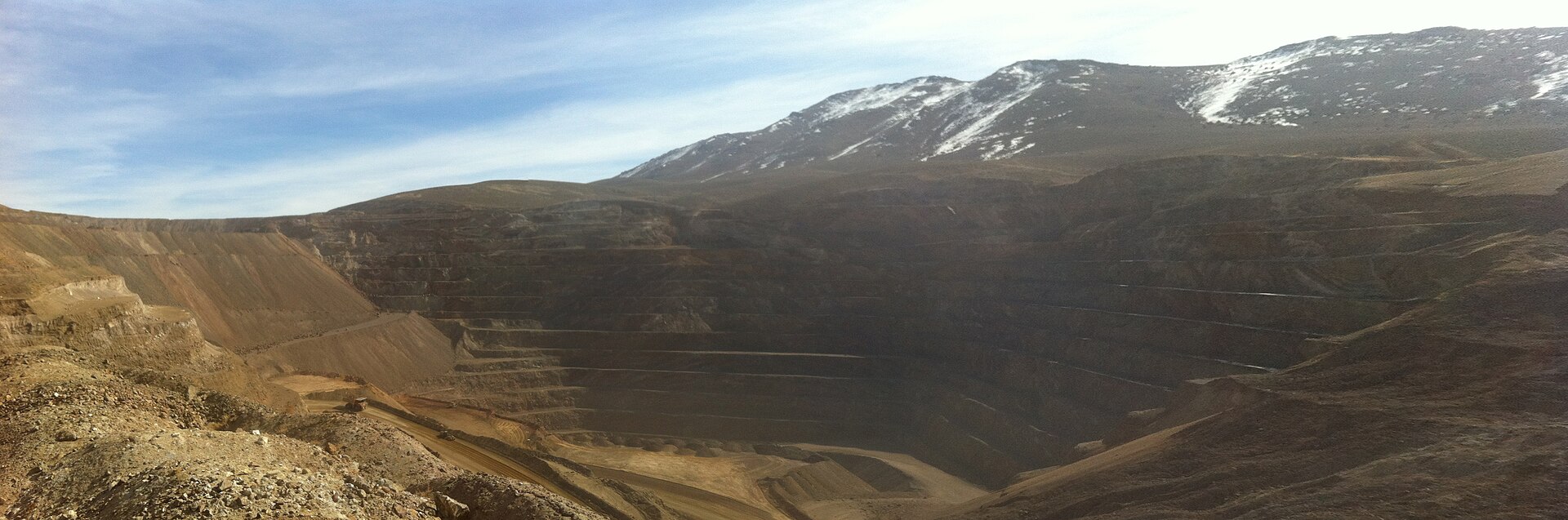
American Battery Technology Company disclosed on June 8 that the Department of Energy reinstated its $115 million competitive grant award for the first commercial phase of the Tonopah Flats Lithium Project in Nevada. The grant, originally awarded in October 2022 by the DOE Office of Manufacturing and Energy Supply Chains, was rescinded last October as part of a broader sweep of Biden-era clean energy awards under review. ABTC ran an Informal Dispute Resolution process through year-end 2025 and received notice that “recission of the termination notice and continuation of the project is warranted.”
What was funded
Phase one builds a commercial-scale lithium hydroxide refinery sized at 5,000 tonnes per year of battery-grade output. The Tonopah Flats project pairs an integrated upstream claystone lithium resource with downstream refining on the same Nevada site, the same vertical-integration model US Elemental and Lithium Americas are pursuing further north. ABTC said the reinstated contract preserves funding amounts and technical milestones, with the schedule extended to account for time spent in review.
Why it matters
Refining capacity, not mining capacity, is the real chokepoint in the US lithium chain. China processes roughly 70% of refined lithium globally; every IRA-eligible tonne built domestically rebalances that share at the margin. The DOE under the current administration has terminated hundreds of clean-energy grant awards, and few have been reversed on appeal. A reinstatement signals that projects with documented technical and commercial milestones can still survive the policy reset, even where the political headline runs against them.
For positioning: the marginal IRA-eligible refining tonne in North America remains the variable to watch. Tonopah Flats is small in absolute capacity at 5,000 tpa, but it is one of the few US commercial-scale lithium hydroxide projects with active federal funding, an operating pilot, and a vertically integrated resource. Project execution risk is now the gating factor rather than federal funding risk.
Risks to flag
Schedule slip is the obvious one: an October 2022 award only now resuming construction prep means the original cost curve assumptions are stale. Lithium hydroxide prices remain well below the 2022-23 peak, compressing project economics for marginal producers. And the precedent runs both ways: if DOE can rescind awards mid-build, every grant-dependent project carries political duration risk regardless of statutory eligibility.
The marginal refining tonne is the chain rebalance story. Watch the construction milestones, not the headline.