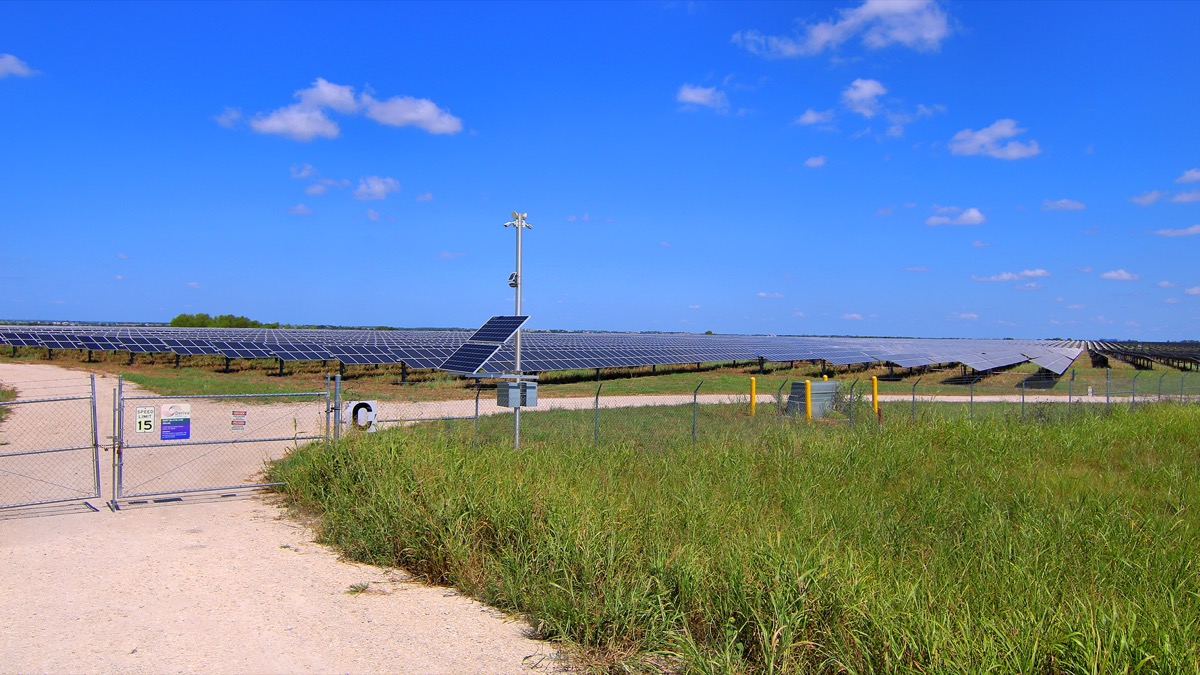
US solar developers are on track to safe-harbor between 216 and 240 GWdc of utility-scale capacity between mid-2024 and the July 4, 2026 begin-construction cutoff set by the One Big Beautiful Bill Act, according to Wood Mackenzie analysis cited in SolarQuarter. That is, by their own framing, enough to meet projected US solar installations through the end of the decade.
The scale matters more than any single project announcement. What the industry is doing in this last stretch is converting roughly five years of forward pipeline into a pre-credit-locked inventory.
What the stockpile actually preserves
Projects that establish begin-of-construction by July 4 preserve eligibility for the full Section 45Y production credit and Section 48E investment credit, plus the four-year continuity window to reach commercial operation. Projects that miss the date have to be placed in service by December 31, 2027, a much tighter operational bar given current interconnection and EPC lead times.
The June 6 District Court ruling that vacated IRS Notice 2025-42 restored the 5% cost safe harbor as a pathway alongside continuous-physical-work, widening the funnel for late-stage developers. Treasury has not filed an appeal yet, but practitioners are still recommending continuous-work documentation as a backstop.
The bifurcation this creates
After July 4, the utility-scale market splits into two pools. One pool is the safe-harbored stockpile, which will work through interconnection, financing, and EPC over the next four years with credit eligibility intact. The other pool is everything that did not lock in, which has to clear a 2027 in-service deadline or take the credit haircut.
The FEOC material-assistance regime that took effect January 1, 2026 adds a second filter. Safe-harbored projects still have to satisfy the non-prohibited-foreign-entity sourcing thresholds to actually claim the credit when they place in service. Component supply, not just permitting, decides which pieces of the stockpile convert.
Read
The most underpriced consequence is on the supply side. A safe-harbored pipeline that covers projected US installations through 2030 is, in effect, a forward demand signal for FEOC-compliant modules, inverters, trackers, and storage components. Domestic and allied manufacturers with capacity coming online in 2026 to 2028 are selling into a pool of projects that already have their tax treatment settled. That is a cleaner offtake setup than the pre-OBBBA environment offered.
Watch for: a Treasury appeal of the Notice 2025-42 vacatur, the July Q2 10-Q cycle from major developers disclosing safe-harbor inventory totals, and any FEOC-compliance guidance from Treasury that tightens or loosens the material-assistance test.