
China’s Ministry of Commerce on Monday added 10 US firms to its export control list, barring shipments of dual-use items, the broad category that covers magnets, separation reagents, processing equipment, and the inputs that move through both civilian and defense supply chains. The list includes the country’s two highest-profile rare-earth names, MP Materials and USA Rare Earth, alongside Oshkosh Defense, Ball Aerospace, drone makers Teal Drones and Jaia Robotics, and electronics manufacturer Aveox. China’s Finance Ministry separately excluded 46 US firms, mostly defense contractors, from government procurement.
The action is retaliatory. Earlier in June, the Pentagon expanded its 1260H list of “Chinese military companies operating in the United States” by roughly 80 entities, including Alibaba, Baidu, and BYD. Beijing’s response was timed and targeted at the rare-earth piece of the chain.
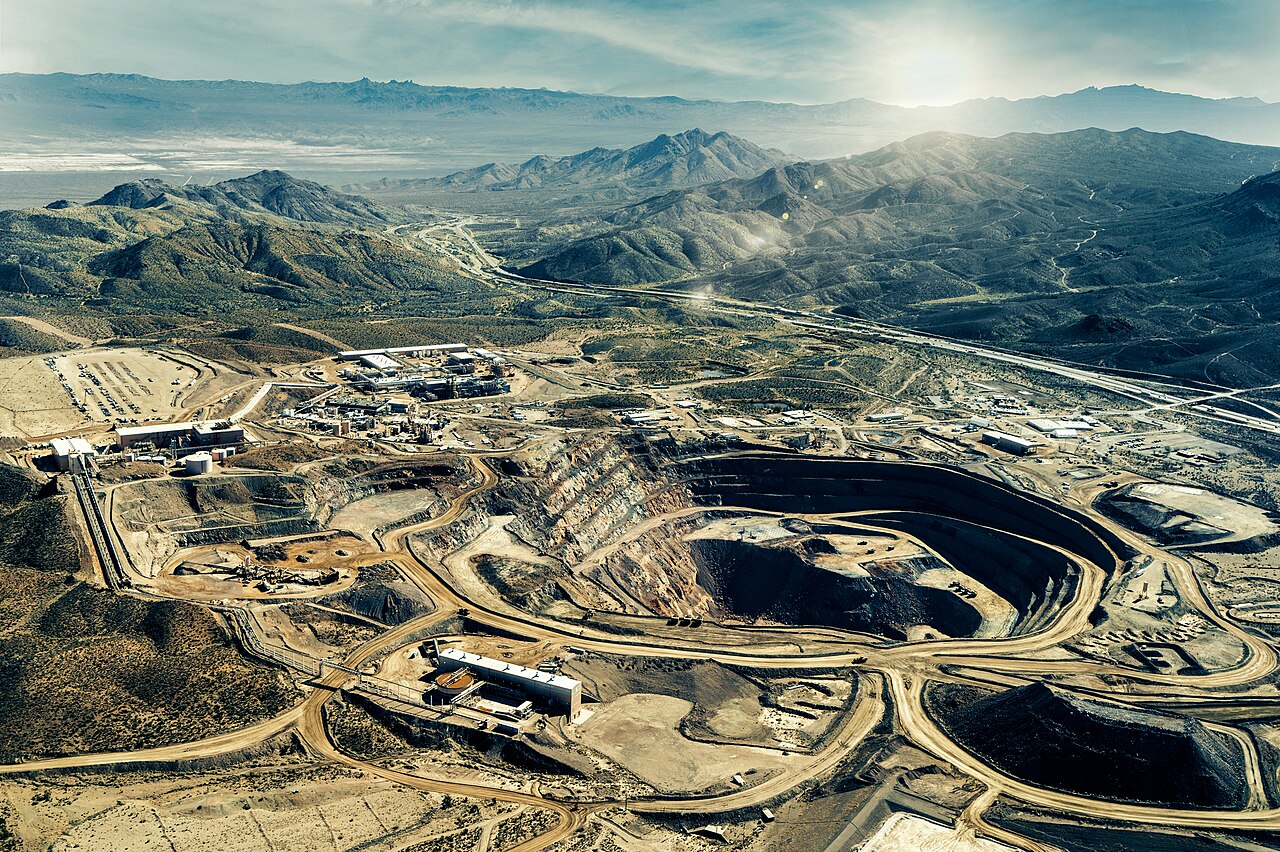
In direct supply terms, the curbs land soft. MP Materials and USA Rare Earth have spent the last two years rerouting equipment orders, magnetic alloy precursors, and separation chemistry away from Chinese vendors, partly because of federal procurement rules tied to Inflation Reduction Act eligibility and the Department of Defense’s 2025 partnership with MP. That partnership, which combined a $150 million Office of Strategic Capital loan, a $400 million equity stake, a 10-year NdPr price floor, and a 10-year magnet offtake commitment, was explicitly designed so the company could operate without Chinese feedstock or Chinese-routed processing. USA Rare Earth has taken a parallel path with its Round Top heavy rare earths project and its Stillwater magnet facility.
What the announcement does change is the policy ceiling. Beijing has now formalized what was previously informal pressure: any US rare-earth firm tied to the defense industrial base is a counterparty Chinese exporters cannot serve. That eliminates the optionality of slow-walking decoupling, and it strengthens the case for the next round of federal capital to flow into heavy rare-earth separation, where US capacity is thinnest. Heavy separation, dysprosium and terbium specifically, is the chokepoint that determines whether a magnet program can deliver into high-temperature applications like drones, traction motors, and missile guidance, and it remains the part of the chain China still controls most tightly.
For the supply-chain frame, the read is straightforward: a curb that bites no current orders still raises the floor on long-term federal commitment to domestic separation and magnet manufacturing. The marginal capex dollar gets easier to defend, not harder.