The One Big Beautiful Bill Act’s July 4 begin-construction cutoff is behind us. The generalist read is that the window closed. The differentiated read is the size of the stockpile that made it through.
The number
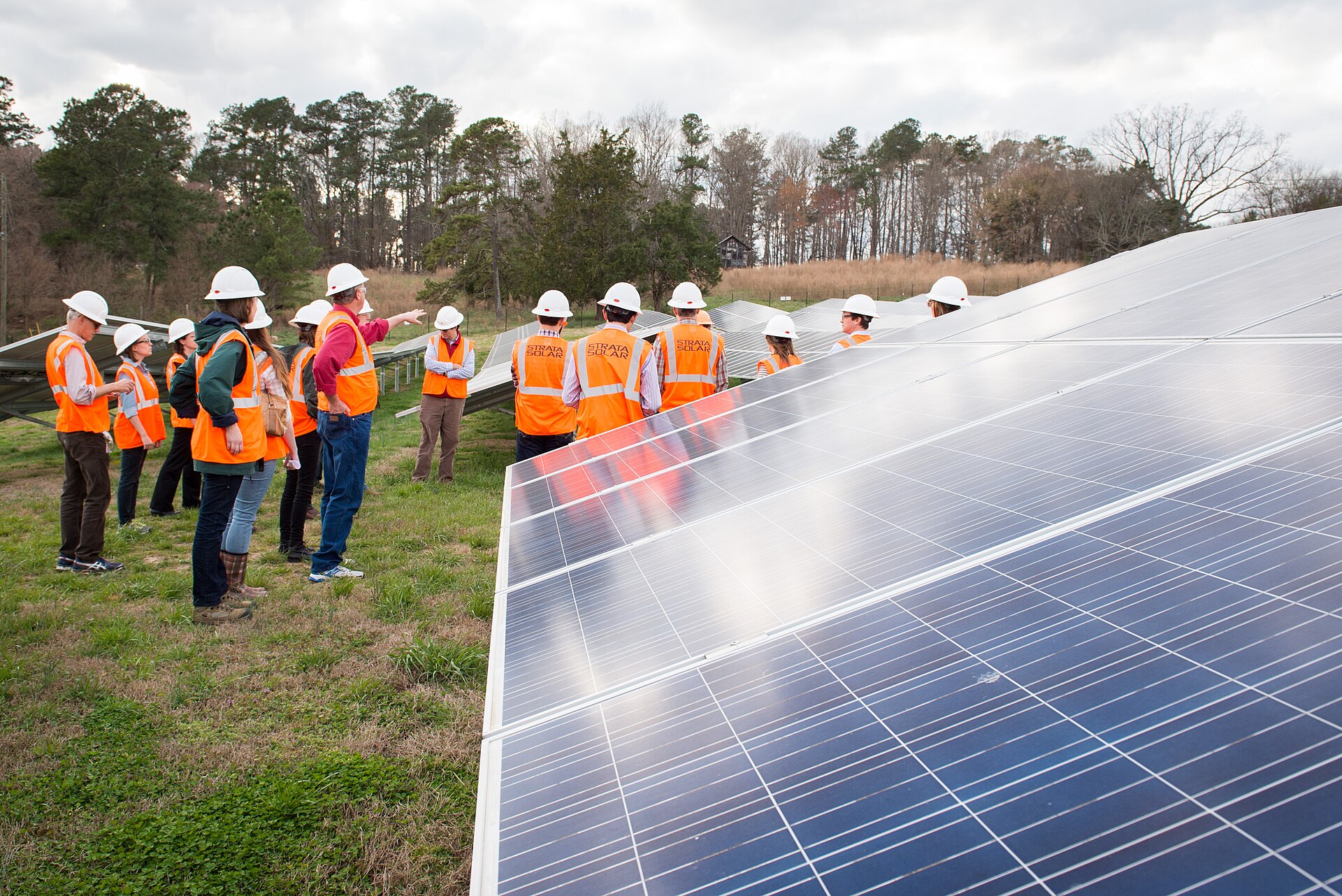
Wood Mackenzie’s post-deadline analysis puts utility-scale solar safe-harbored between mid-2024 and July 4, 2026 at 216 to 240 gigawatts DC. That is enough, on the firm’s own framing, to cover forecast US installations through the end of the decade. Camelot Energy Group, working the transformer-radiator lane of the physical-work test, tallied roughly $3.8 billion of safe-harbored equipment on its books between the July 4, 2025 and July 4, 2026 window, corresponding to as much as $200 billion of intended project spend once construction, financing, and interconnection catch up.
The 216-to-240 GW figure is a paper number. It sits in inventory, purchase orders, transformer down payments, and physical-work milestones that have to hold up under IRS review. But the size is real enough to reset the strategic frame for the sector.
What it does to the post-deadline pipeline
Projects that begin construction after July 4 face an 18-month placed-in-service window closing December 31, 2027. Wood Mackenzie’s read is that completing full development inside 18 months is rarely feasible given typical three-year-plus utility-scale timelines. The practical consequence: the post-deadline greenfield tail is small. Deployment volume for 2027 through 2030 will come overwhelmingly from the safe-harbored bank, not from projects the industry has yet to start.
That is a supply-side statement, not a demand-side one. Wood Mackenzie’s outlook holds that utility-scale solar remains structurally strong beyond 2030, driven by electricity demand growth. The bank of safe-harbored capacity is what carries the sector across the incentive step-down; the demand thesis stays intact underneath.
Where the storage attachment gets narrower
The other clock that struck July 4 is the FEOC bright line that Notice 2026-15 attaches to battery storage. License agreements between US storage developers and specified foreign entities entered after July 4 trigger the effective-control prong of the foreign-influenced entity test, and 2026 begin-construction storage projects have to hold their material-assistance cost ratio at 55 percent or higher to keep the Section 48E credit.
The two rules interact. A meaningful slice of the safe-harbored solar bank is paired solar-plus-storage, and every storage attachment that lands on those projects between now and 2027 has to route around the FEOC filter on the cell layer. AESC, LG Energy Solution’s US lines, Samsung SDI Kokomo, and the AESC-Prevalon domestic integration announced in mid-June sit on the credit-eligible side of that filter. Projects that safe-harbored on the assumption of a broader cell menu now have a narrower one.
Read
Two structural signals for the next 18 months.
First, the marginal capex dollar in US solar shifts from origination to execution. Interconnection queue slots, EPC labor, transformer delivery windows, and financing capacity are the choke points now, not project starts. Developers with the strongest interconnection positions on safe-harbored megawatts compound the advantage.
Second, the domestic cell manufacturers with FEOC-clean capacity get a durable bid from the paired-storage slice of the safe-harbored bank. That is a supply-chain rebalance signal, not a demand signal, and it is the kind of shift that typically shows up in operating metrics twelve to eighteen months before it shows up in headline pricing.
The volume that made it through the July 4 gate is large enough that the post-deadline story is not scarcity of projects. It is friction inside a fixed inventory, with the FEOC filter thinning the storage attach rate at the margin.