
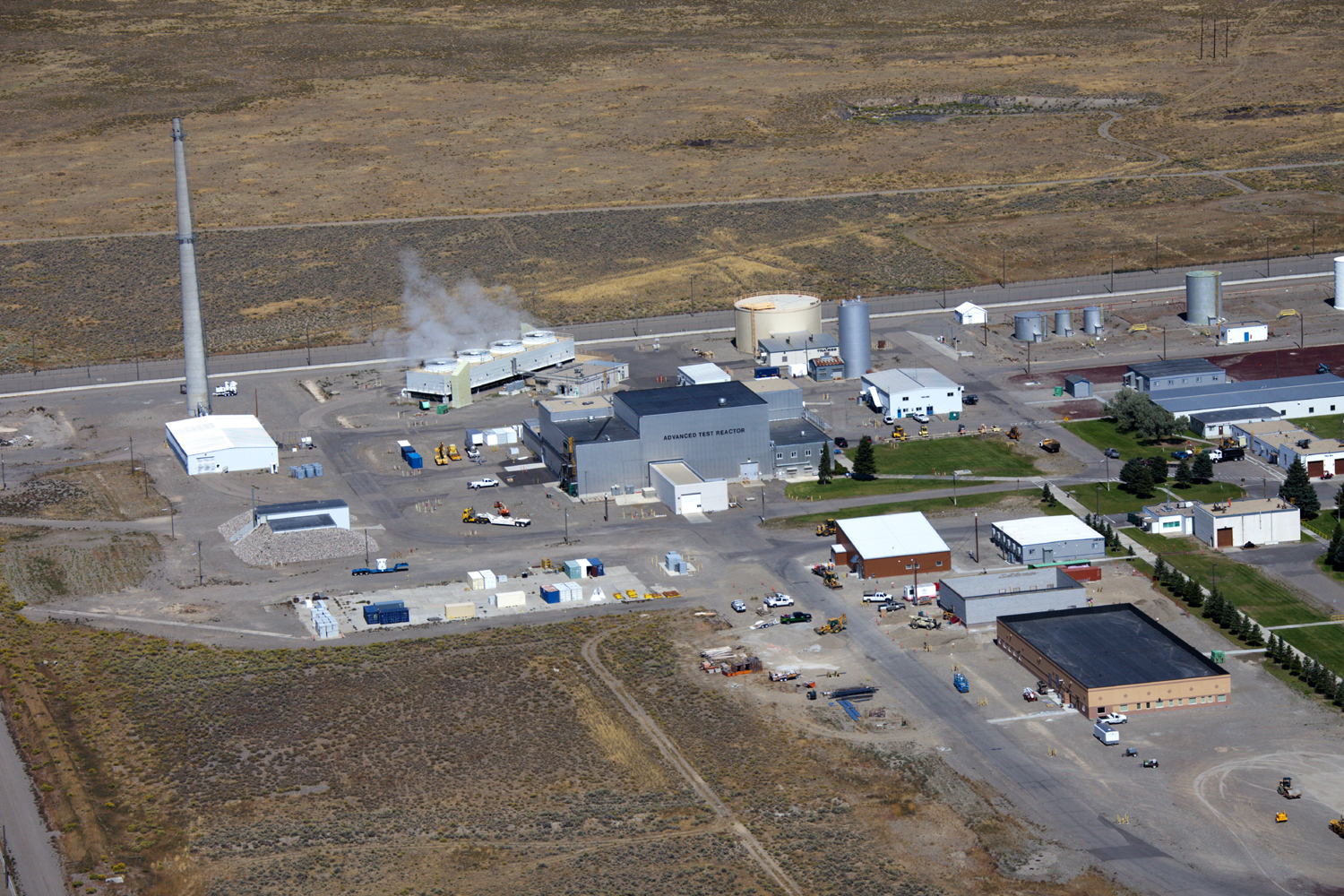
Aalo Atomics announced on July 7 that its Aalo-X critical test reactor reached first criticality in the early morning hours of July 4 at Idaho National Laboratory. Aalo becomes the fourth reactor to hit the milestone under the DOE Reactor Pilot Program, following Antares Nuclear, Valar Atomics, and Deployable Energy. The Aalo-X is a 10 megawatt-electric microreactor design; the commercial variant, the Aalo Pod, is a five-unit cluster rated at 50 megawatts electric.
Two features of the announcement are worth flagging against the pilot pattern.
First, the commercial product is being pitched, from day one, at data-center co-location. Aalo has publicly stated an intent to build a co-located demonstration data center adjacent to the Aalo Pod near INL, targeting 2027. The first three pilot criticalities (Antares Mark-0, Valar Ward 250, Deployable Unity) were pure pathway demonstrations, useful for validating that DOE-authorized non-lab reactors could reach criticality on schedule, but not oriented toward a specific commercial customer segment. Aalo is the first pilot developer whose product design and public narrative are explicitly organized around behind-the-meter compute demand.
Second, Aalo disclosed an active collaboration with Microsoft and Nvidia on an automated co-piloting system for reactor operations and safety. That is a software layer, not a hardware or offtake commitment, and it does not constitute a purchase agreement. It does, however, indicate that hyperscaler engineering resources are being applied to the operational envelope problem, which is the piece of advanced-reactor deployment that lives outside of licensing timelines and inside the plant’s day-to-day risk profile.
What this changes: the read-through from the DOE pilot program is no longer purely about licensing pathway credibility, which was the story on July 4. It is now also about whether the first commercial deployments landing off the pilot base can be underwritten specifically as data-center firm-power supply. Aalo’s 2027 timeline is aggressive and the co-located demo remains unbuilt. The commercial 50 MWe Pod also has not yet cleared any NRC or DOE authorization for non-test operation, and the pilot authority does not extend to it. Nothing changes on the near-term generation mix.
The signal to track: whether Aalo’s next milestone (Pod-scale authorization or a named hyperscaler PPA) lands inside 2027, and whether the Microsoft-Nvidia software collaboration produces publicly visible operational tooling that other pilot developers can adopt. Both would extend the pilot’s read-through from a policy win into a commercial deployment template.