
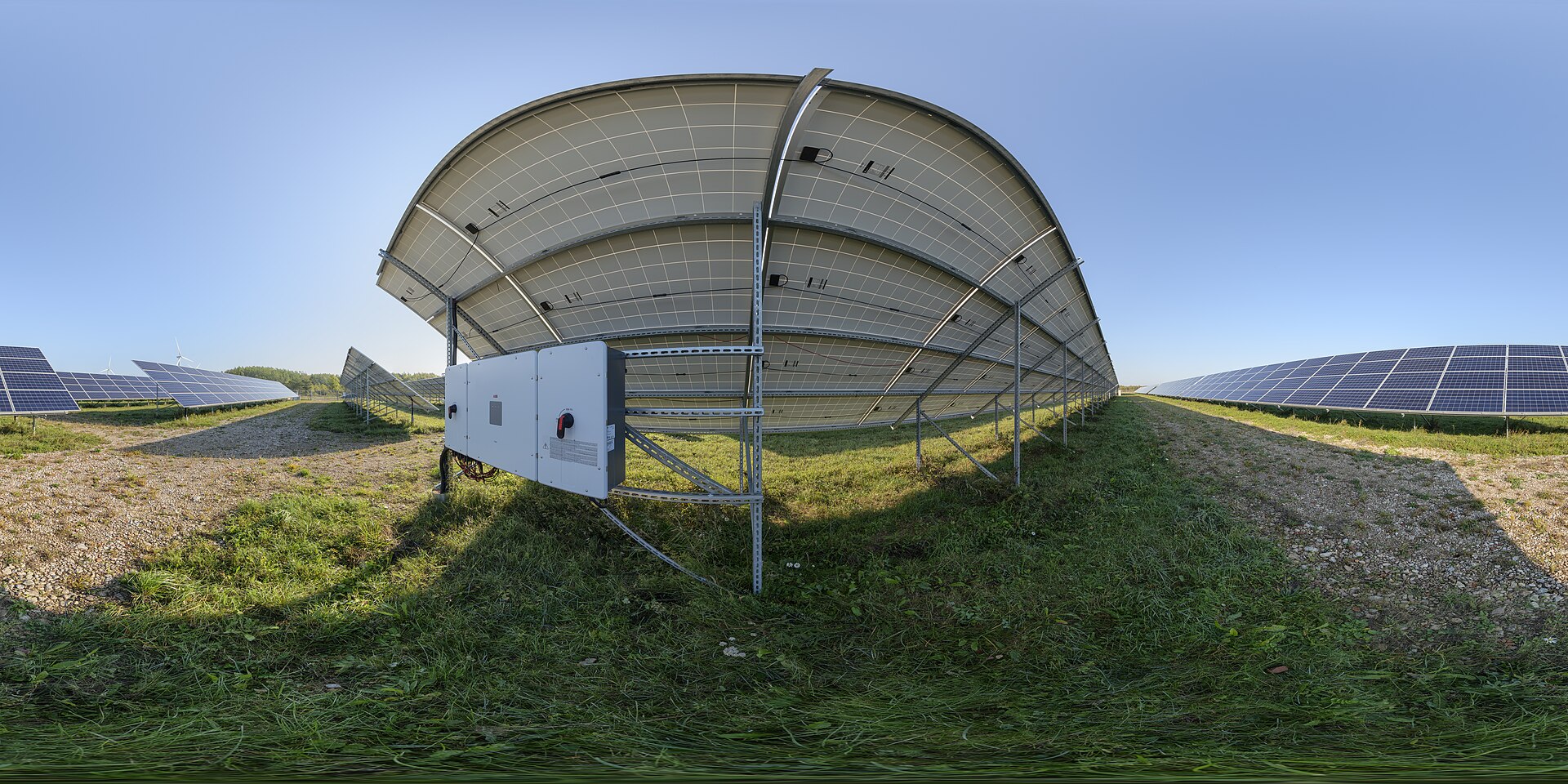
Wood Mackenzie put a number on the European Commission’s decision to block PV inverters and power-conversion systems from China and other high-risk countries in EU-funded clean energy projects. The firm estimates the restriction affects roughly 14% of forecast European solar PV demand from 2026 through 2030, totalling more than 28 GWdc of inverter demand, and about 12% of forecast energy storage deployments over the same window. Utility-scale storage carries the largest exposure.
The starting share is what makes the shift consequential. Chinese suppliers accounted for over 80% of inverter shipments to Europe in 2025, per the same analysis. Principal analyst Juan Monge described the move as around 4 to 5 GW per year of demand redirected away from Chinese vendors through 2030. Cost impact on affected projects lands between 2% and 8% depending on segment, according to Wood Mackenzie’s estimate.
Geography concentrates the pain. Romania, Bulgaria, Czechia, the Baltic states, and Greece are named as the most exposed markets, where EU grant funding is a larger share of project financing and where price sensitivity leaves little cushion for procurement complications. Research analyst Joe Shangraw pointed specifically to forced unbundling of integrated battery-inverter systems and design changes as the operational drag.
Two lines matter for the frame. First, the current scope covers only EU-funded projects. Pending revisions to the EU Cybersecurity Act could extend the same restrictions to all solar PV inverters and storage power-conversion systems in the bloc, which would materially expand the addressable redirect. Second, this is a supply-chain rebalancing on the component tier that mirrors what US policy has attempted on the refining tier through the IRA’s foreign entity of concern rules. Both are working from the same premise: concentration risk on Chinese hardware is now a policy constraint, not a market one.
For US-domiciled inverter and power-electronics names, the analog is not “sell into Europe tomorrow” but rather that the ceiling on non-Chinese share is being reset upward across two of the largest solar markets in the world at once. Enphase, SolarEdge, and the European incumbents (SMA, Fronius) are the most direct beneficiaries on paper, though the price gap versus Chinese equipment is wide enough that share gains will not be automatic.
Policy risk cuts the other way as well. If EU Cybersecurity Act revisions stall, the current EU-funded-only scope leaves roughly 86% of the European market open to Chinese inverters, and the redirect narrative compresses. Worth tracking the rulemaking calendar in Brussels this fall.