
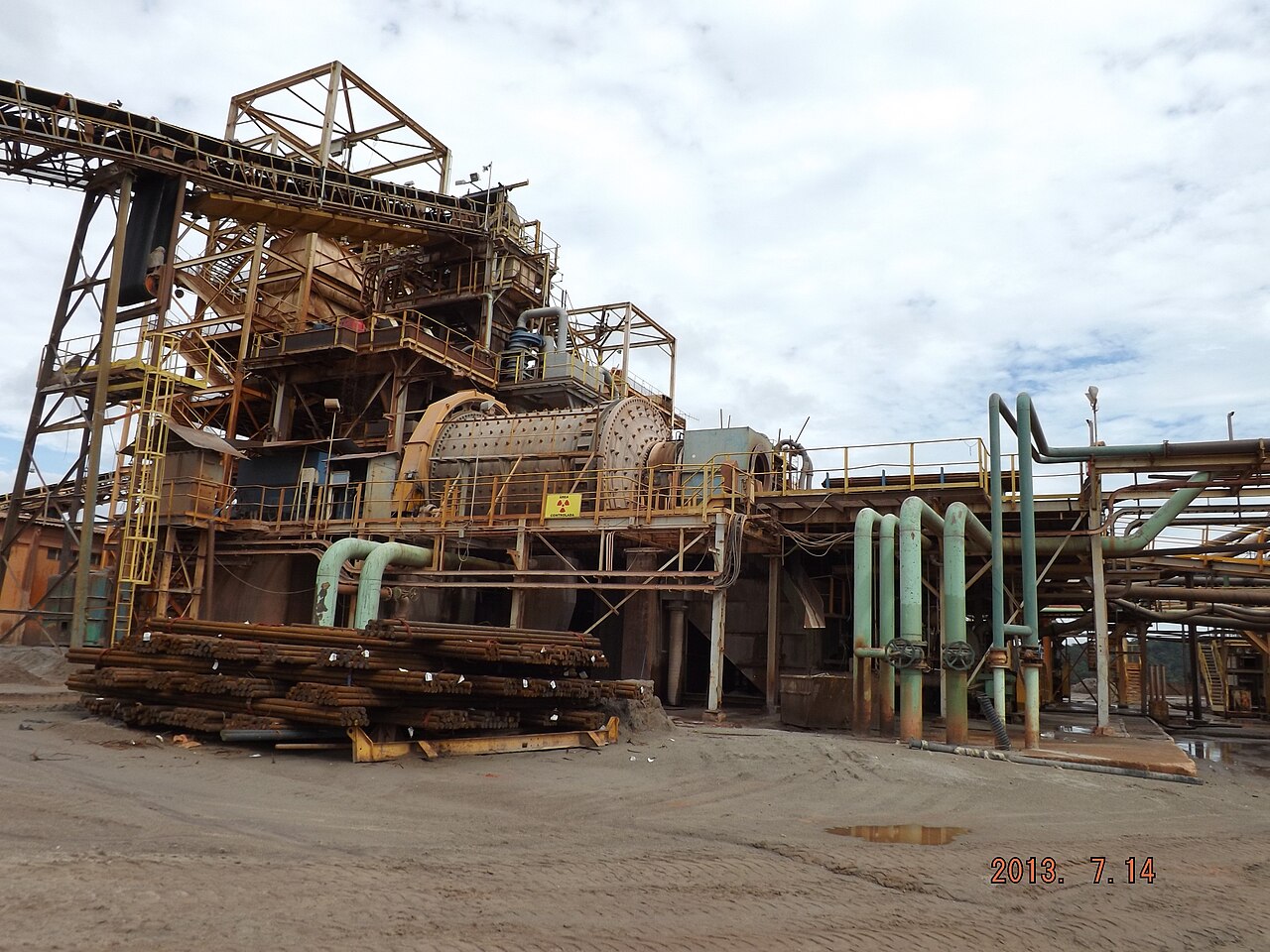
Sigma Lithium (NASDAQ: SGML) reported Q1 2026 results pre-market on May 15. The print is the next leg of the operator-confirmed rebalance the May 13 LAR flash flagged, and it lands from a different cost frame than the three already on the page.
The numbers that matter. Revenue US$42 million, up 150 percent quarter-on-quarter on 23,000 tonnes of 5 percent Li2O concentrate sold. Gross margin 61 percent, EBITDA margin 39 percent, net margin 26 percent. Realized price US$1,790 per tonne SC5 (US$2,150 per tonne SC6 equivalent), against US$630 per tonne SC5 in Q3 2025. Cash and equivalents US$28 million at May 15, with accounts receivable of US$22 million collected mostly post-quarter. Total debt US$134 million, down 21 percent year-on-year and 33 percent over two years.
The cost-stack disclosure is the real read. Management put numbers on the full multi-phase AISC ladder: Phase 1 AISC US$710 per tonne, Phases 1-2 US$620 per tonne, Phases 1-3 US$610 per tonne, maintenance capex US$6 per tonne, CIF China cash cost US$624 per tonne at the Phase 1 line. That puts Sigma’s delivered Chinese-port cost inside the global lowest cost quartile, and it puts the operating leverage on the page for anyone modeling the back half of the cycle. At US$1,500 per tonne SC5 across Phases 1-3, the company projects US$493 million of cumulative cash flow; at US$2,000 per tonne, US$814 million; at US$2,500 per tonne, US$1.135 billion.
Capacity stays on the line. Phase 1 annualized target held at 240,000 tonnes per year of high-grade concentrate. Phase 2 expansion to 520,000 tonnes and Phase 3 to 770,000 tonnes both targeted for year-end 2027. The growth path is funded inside the operating cash flow, not equity issuance, on the cost stack disclosed today.
Why this matters in our frame
The May 13 LAR flash named SGML’s Q1 as a triangulation check against the integrated-incumbent set: different cost frame from brine, different geography, different inventory position. Today’s print delivers that triangulation. The rebalance signature now spans four operator-confirmed cost frames in a single quarter: Albemarle on the western diversified side, Ganfeng inside China, Lithium Argentina at the Argentine brine line, and Sigma at the Brazilian hard-rock concentrator. Four cost frames, four currencies, four accounting regimes, one consistent shape: realized price recovery, volumes sustained at or above nameplate, margins expanding on top, debt loads coming down.
The published thesis names supply as the constrained variable across a 10-year horizon. The Q1 prints are not a 10-year readthrough on their own. What they confirm is the bottom of the operating cycle is behind, and the operators best positioned to compound margin into the recovery are the ones with the lowest delivered cash cost. Sigma’s CIF China number at US$624 per tonne for Phase 1 product is the kind of cost-stack disclosure that historically forces a re-rating across the peer set as analysts mark the floor.
What we are watching next
- SQM Q1 around May 26-27. The redundancy check from the Chilean brine side. Confirms or starts to crack the four-leg cross-confirmation read.
- AMG Bitterfeld mid-year ramp. First western refining print at scale. Refining is where the chokepoint sits and a clean Q2 read keeps the rebalance moving up the chain rather than stalling at the mine gate.
- SGML Phase 2 financing path. Sigma is signaling the expansion funds itself out of operating cash flow at current prices. A clean drawdown without secondary issuance through the back half would validate the cost-stack disclosure.
- Realized-price disclosure in Q2 prints. The break between spot and contract-book is the disclosure gap that decides whether Q1 is a one-quarter spot reflex or a durable contract-book reset.
The frame holds. The next read that matters is whether refining margin follows mining margin up the chain, or whether the rebalance stalls at the gate while refiners hold the price-take position.