Tesla's Q2 2026 delivery release put energy storage at 13.5 GWh, up roughly 40% from 9.6 GWh in Q2 2025 and slightly below the 13.8 GWh consensus. The vehicle number (480,126 deliveries, plus 25% YoY) grabbed the tape, but for the lithium supply chain the storage growth curve is the demand-side signal that matters. It lines up with EIA's plan for 24 GW of US utility-scale battery additions this year, versus a record 15 GW in 2025.
·Wood Mackenzie: The state of safe harboring·iraus-supply
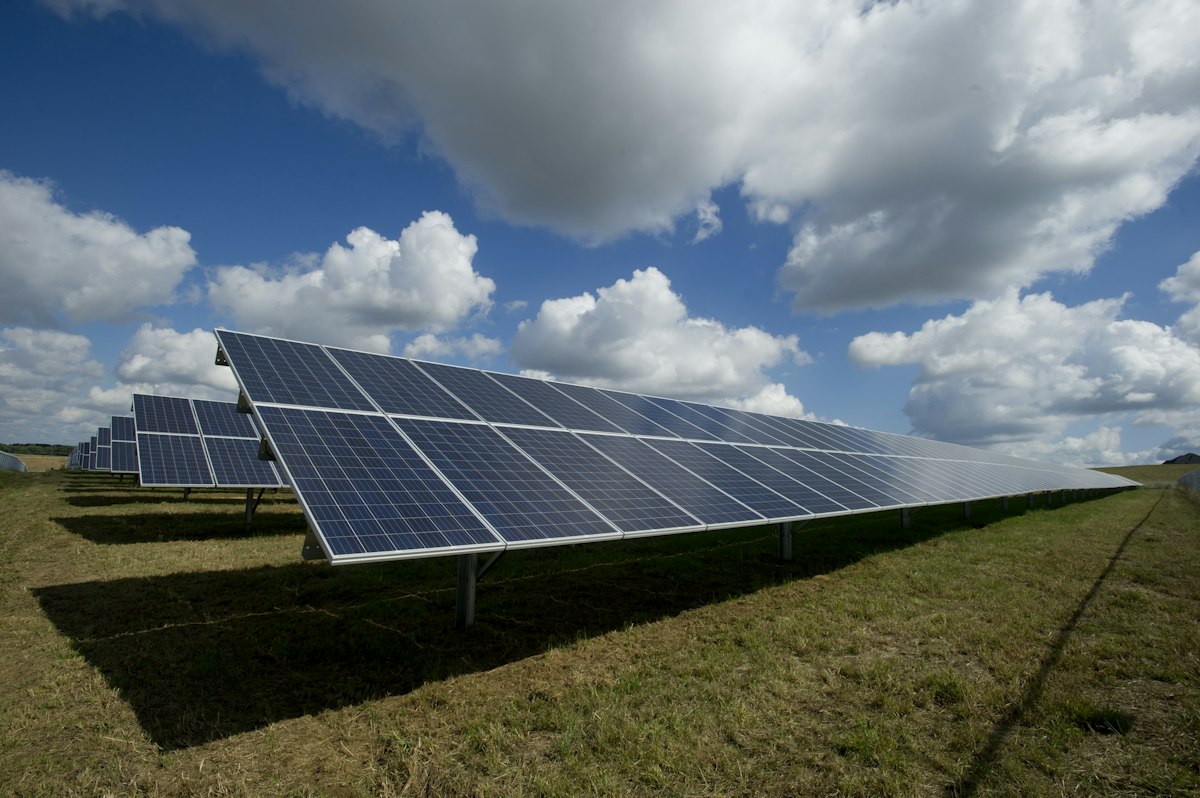
Wood Mackenzie's post-deadline tally puts utility-scale solar safe-harbored between mid-2024 and July 4, 2026 at 216 to 240 gigawatts DC, enough on paper to meet forecast US installations through the end of the decade. The number reframes what happens next: the post-deadline pipeline is a small residual, project economics live or die on how the physical-work test paperwork holds up, and the storage FEOC bright line the same weekend narrows which of the safe-harbored megawatts can attach batteries and still hold Section 48E.
Antares Mark-0, Valar Ward 250, and Deployable Energy's Unity all achieved criticality at Idaho National Laboratory ahead of the July 4, 2026 deadline set in Executive Order 14301. Program proves the DOE-authorization pathway as a live alternative to full NRC licensing for advanced test reactors.
·U.S. Department of Commerce, International Trade Administration·tariffsus-supply
The countervailing-duty and antidumping investigations into crystalline-silicon cells and modules from India, Indonesia, and Laos reach final determinations inside the next two weeks. Preliminary rates already run past 100 percent for the largest sourcing lane, and cash-deposit exposure is now the pipeline-side story.
·IRS Notice 2026-15 / Treasury FEOC material assistance guidance·irafeoc
Forty-eight hours before the OBBBA begin-construction deadline, Notice 2026-15 attaches a second calendar rule to July 4 that is specific to battery storage. Any license agreement that a US storage developer enters into with a specified foreign entity after July 4, 2026 counts toward the effective-control test that determines whether the developer is a foreign-influenced entity for Section 48E purposes. The 55 percent material-assistance cost ratio floor on 2026 begin-construction storage projects sits alongside it. Together they harden the FEOC filter on the cell layer of the US storage stack starting Saturday.
·Utility Dive / Advanced Energy United·interconnectiondata-centers
An Advanced Energy United progress report grades the seven US grid operators on interconnection reform, finds broad procedural movement, and flags that queued projects are not yet reaching commercial operation any faster.
Because generalist coverage buries the supply-chain and policy texture. A permitting decision on a transmission project, a DOE loan commitment to a lithium refinery, an NRC licensing milestone for an SMR, a FERC rulemaking on interconnection reform: these move capital in ways that earnings coverage misses. Clean Power Press is built for the people who track those signals.
Is this for traders or long-horizon investors?+
Long-horizon. The thesis is a multi-decade buildout. The daily briefs work for tactical positioning, but the analytical frame is structural: supply-chain, policy, project-pipeline. If you're trading micro-moves on spot prices, this isn't your tool.
What verticals do you cover and how do they connect?+
Energy storage and lithium, solar, nuclear and SMRs, grid and transmission, and critical minerals. Climate policy is the connective tissue. The verticals are separate editorial frames but they share a common insight: the bottleneck on every one of them is permitting, supply-chain concentration, and policy implementation, not the underlying technology.
What's your stance on climate change?+
Climate change is established science. We don't give false balance to fossil-fuel-industry framing on the science. Our editorial stance is climate-forward: the clean energy transition is necessary, urgent, and one of the most consequential investment stories of the next several decades. That's not advocacy. We report facts, cover setbacks as well as progress, and don't oversell the pace of transition.
What's your analytical frame across verticals?+
Track marginal, watch policy, ignore most price noise. The marginal capex dollar, the marginal project entering permitting, the marginal regulatory decision: these are where the structural story moves. Average inventory levels, spot price tapes, and quarterly headlines follow later and with lower signal value.
Get the brief
The weekly Clean Power Press brief.
One Sunday email, ~10 minutes to read. The week's signal-to-noise picks across energy storage, solar, nuclear, and clean power policy. What moved, what changes positioning, what's worth doing about it.