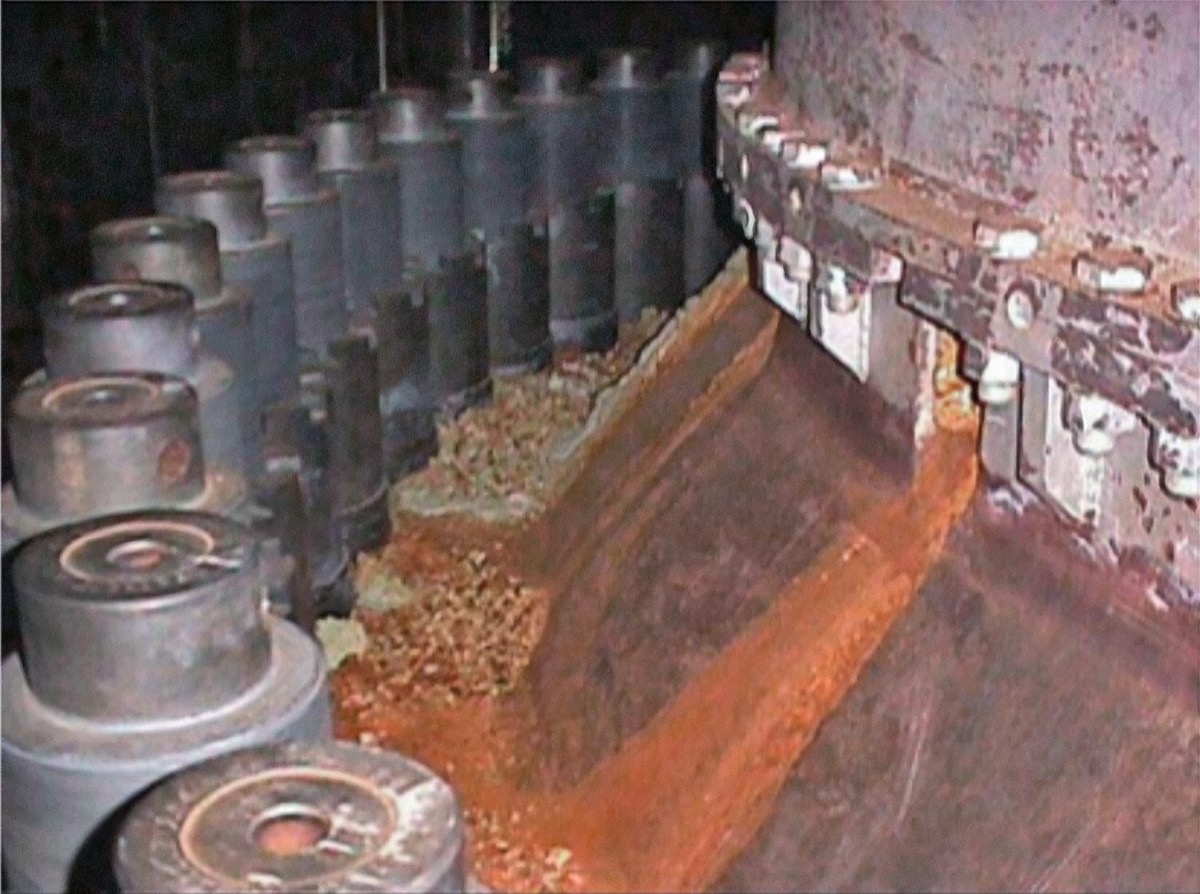
The only fully integrated US rare earth producer posted $108.5M in Q2 revenue, adjusted EBITDA of $28.5M, and 1,006 metric tons of NdPr sales, up 127% year over year. The Independence magnet facility is now in commercial production and a new samarium oxide line for the Department of War is on the roadmap.
XPLR Infrastructure disclosed in its Q2 2026 8-K that it formed two battery storage joint ventures with NextEra Energy Resources in July, Mammoth Plains and Carousel, and completed the sale of the associated surplus interconnection rights. The two projects are part of a four-project co-investment adding roughly 200 net MW of battery capacity by year-end 2027, with XPLR holding a 49% interest and net equity of approximately $80 million. Earliest construction start is Q4 2026, with the bulk of activity in 2027. Management guided to at-least-double-digit equity returns. The structure is a template for how surplus interconnection rights, not new queue positions, become the near-term unlock for US storage buildout.
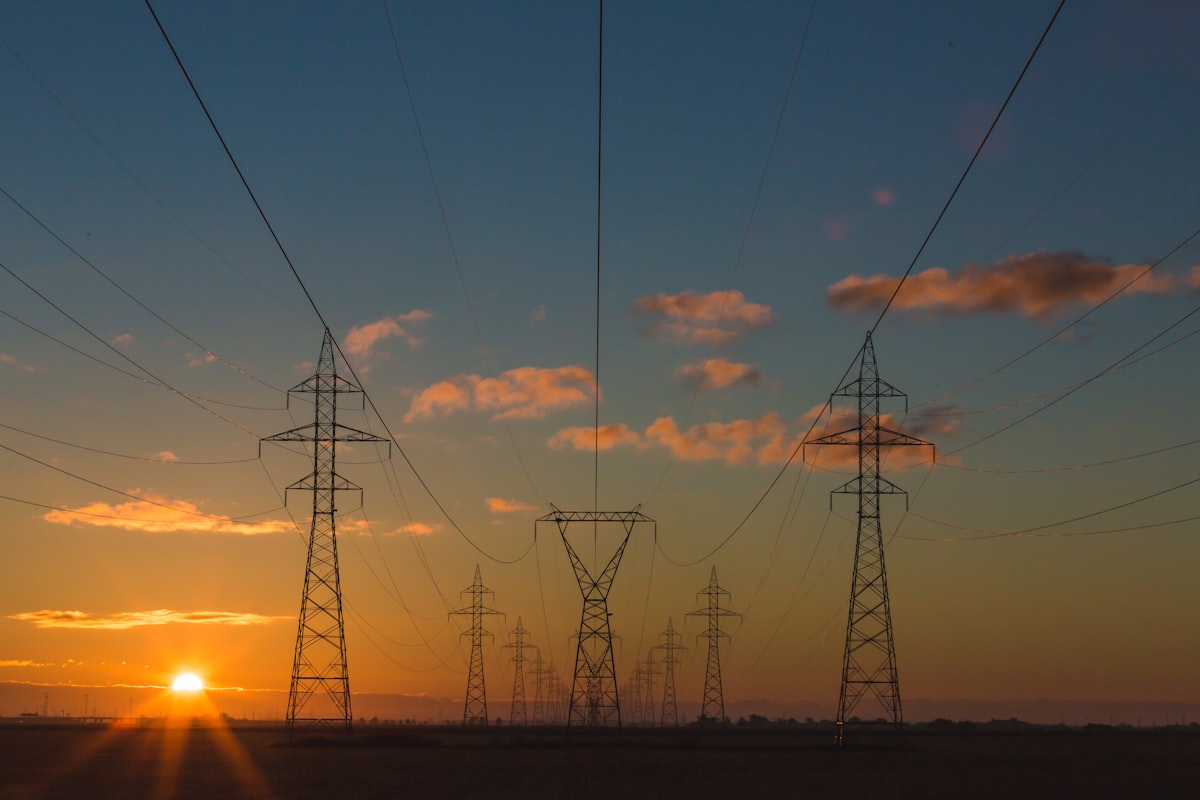
The 45-day abeyance window under FERC's six show-cause orders (EL26-67 through EL26-72) closed Sunday. Any RTO that did not file for a stay by Aug 3 must submit its full Section 206 answer or Section 205 tariff reforms by Aug 17. The docket is the near-term inflection point for how PJM, MISO, SPP, CAISO, ISO-NE, and NYISO study, price, and interconnect large loads. Data center queue economics, co-location rules, and cost-shift protections all land in the same brief.
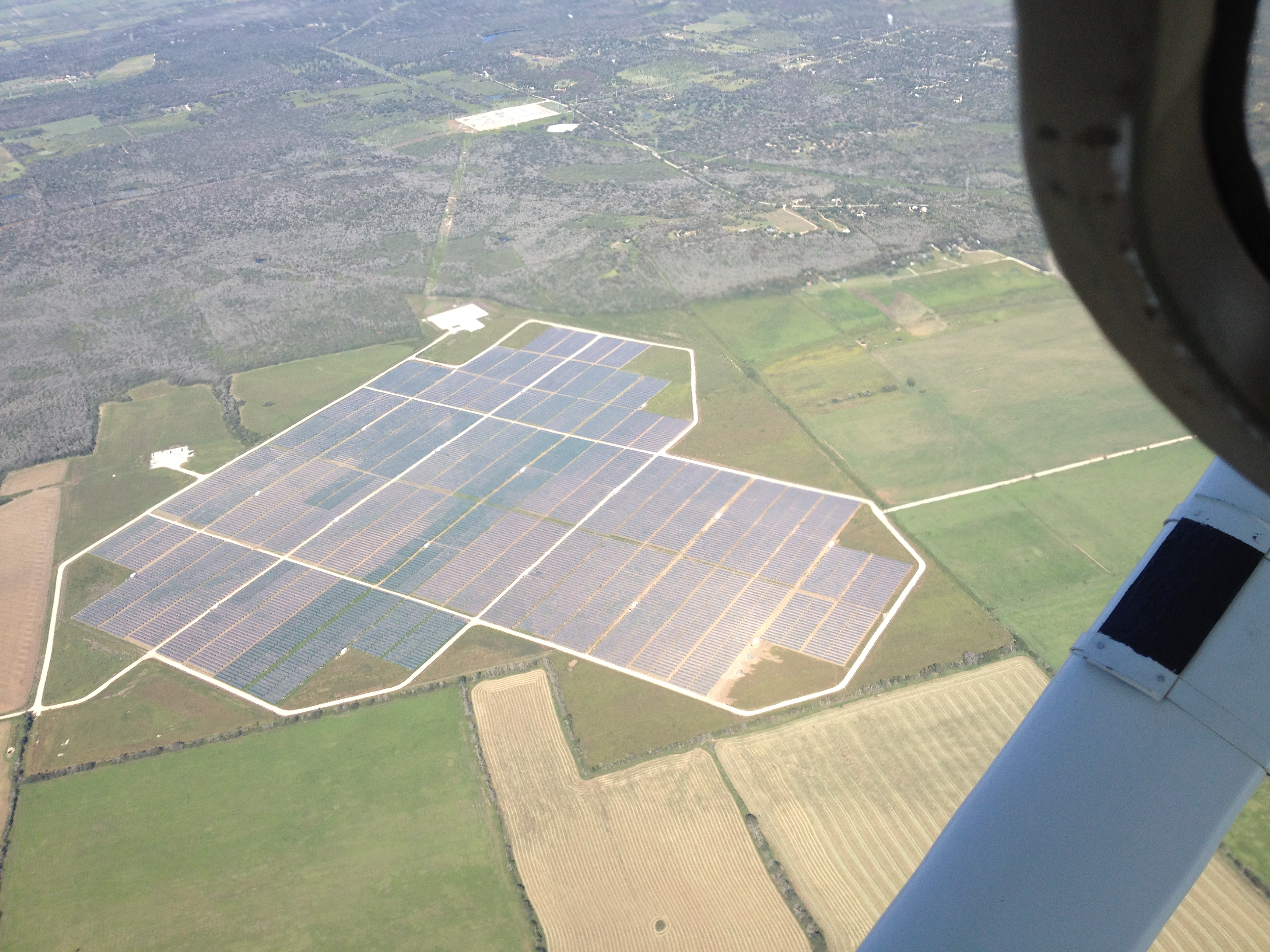
A nine-bank consortium backed Sonnedix's refinancing of ~540 MW of operating PV plus two BESS assets across Italy, Spain, Portugal and France, with proceeds also earmarked for new PV and battery construction. The scale, syndicate breadth, and battery-inclusion signal that European solar-plus-storage project finance has fully recovered from the 2023-24 crunch, with lithium-backed BESS now bundled as standard collateral rather than optional add-on.
·The Motley Fool (reporting on DOE announcement)·smrai-demand
The Department of Energy's Genesis Mission awarded a three-year, $60M Phase II grant to Project Prometheus, an AI-for-reactor-design program led by Idaho National Laboratory with Nvidia and Amazon Web Services. X-energy, Oklo, TerraPower, Westinghouse, Aalo Atomics, and Standard Nuclear are named participants. NuScale was not selected.
·Terra-Gen (press release, via PR Newswire)·solarstorage
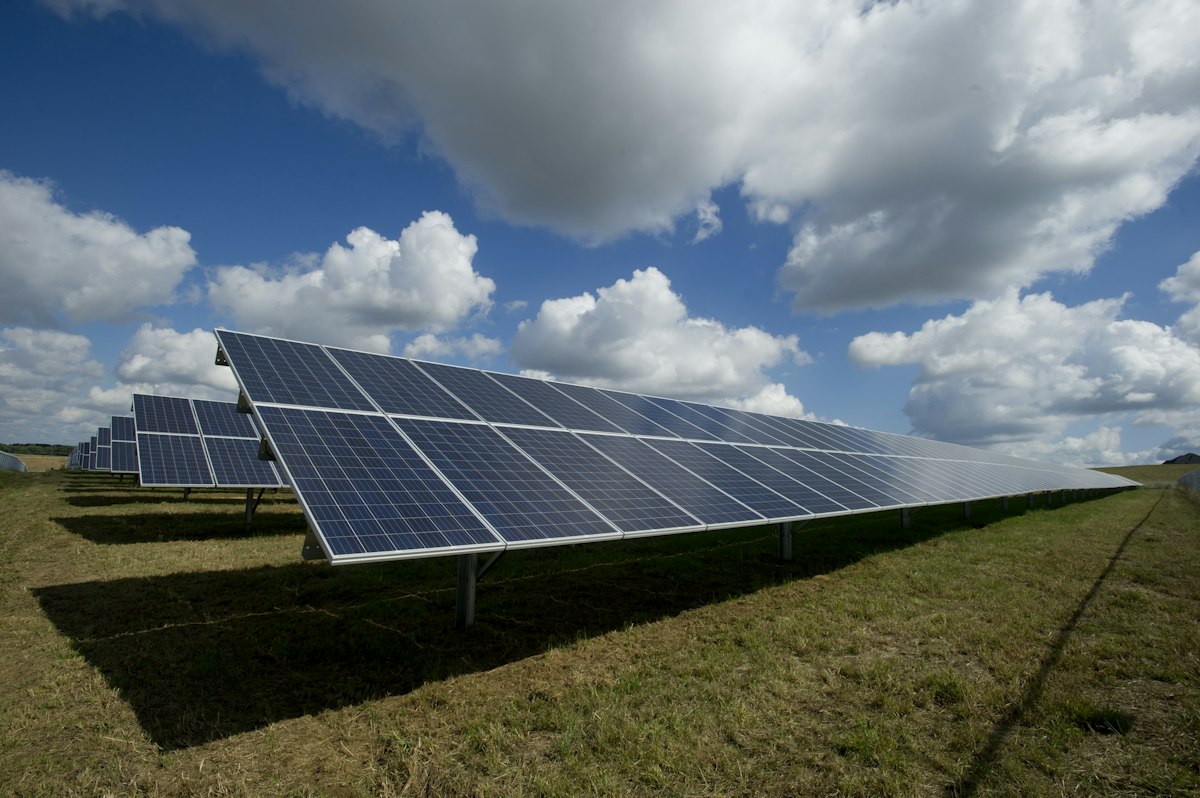
Terra-Gen brought the 80-MW Lockhart Solar PV IV online in mid-July, completing a 365-MW solar plus 173.7-MW battery buildout at the Kramer Junction interconnect. All four phases now sell under long-term PPAs to California load-serving entities. Cupertino Electric was the EPC. The complex is jointly owned by Masdar and Igneo Infrastructure Partners.
Because generalist coverage buries the supply-chain and policy texture. A permitting decision on a transmission project, a DOE loan commitment to a lithium refinery, an NRC licensing milestone for an SMR, a FERC rulemaking on interconnection reform: these move capital in ways that earnings coverage misses. Clean Power Press is built for the people who track those signals.
Is this for traders or long-horizon investors?+
Long-horizon. The thesis is a multi-decade buildout. The daily briefs work for tactical positioning, but the analytical frame is structural: supply-chain, policy, project-pipeline. If you're trading micro-moves on spot prices, this isn't your tool.
What verticals do you cover and how do they connect?+
Energy storage and lithium, solar, nuclear and SMRs, grid and transmission, and critical minerals. Climate policy is the connective tissue. The verticals are separate editorial frames but they share a common insight: the bottleneck on every one of them is permitting, supply-chain concentration, and policy implementation, not the underlying technology.
What's your stance on climate change?+
Climate change is established science. We don't give false balance to fossil-fuel-industry framing on the science. Our editorial stance is climate-forward: the clean energy transition is necessary, urgent, and one of the most consequential investment stories of the next several decades. That's not advocacy. We report facts, cover setbacks as well as progress, and don't oversell the pace of transition.
What's your analytical frame across verticals?+
Track marginal, watch policy, ignore most price noise. The marginal capex dollar, the marginal project entering permitting, the marginal regulatory decision: these are where the structural story moves. Average inventory levels, spot price tapes, and quarterly headlines follow later and with lower signal value.
Get the brief
The weekly Clean Power Press brief.
One Sunday email, ~10 minutes to read. The week's signal-to-noise picks across energy storage, solar, nuclear, and clean power policy. What moved, what changes positioning, what's worth doing about it.